HDPE vs PVC Pipe Spacers: Which One Should You Choose?
Introduction
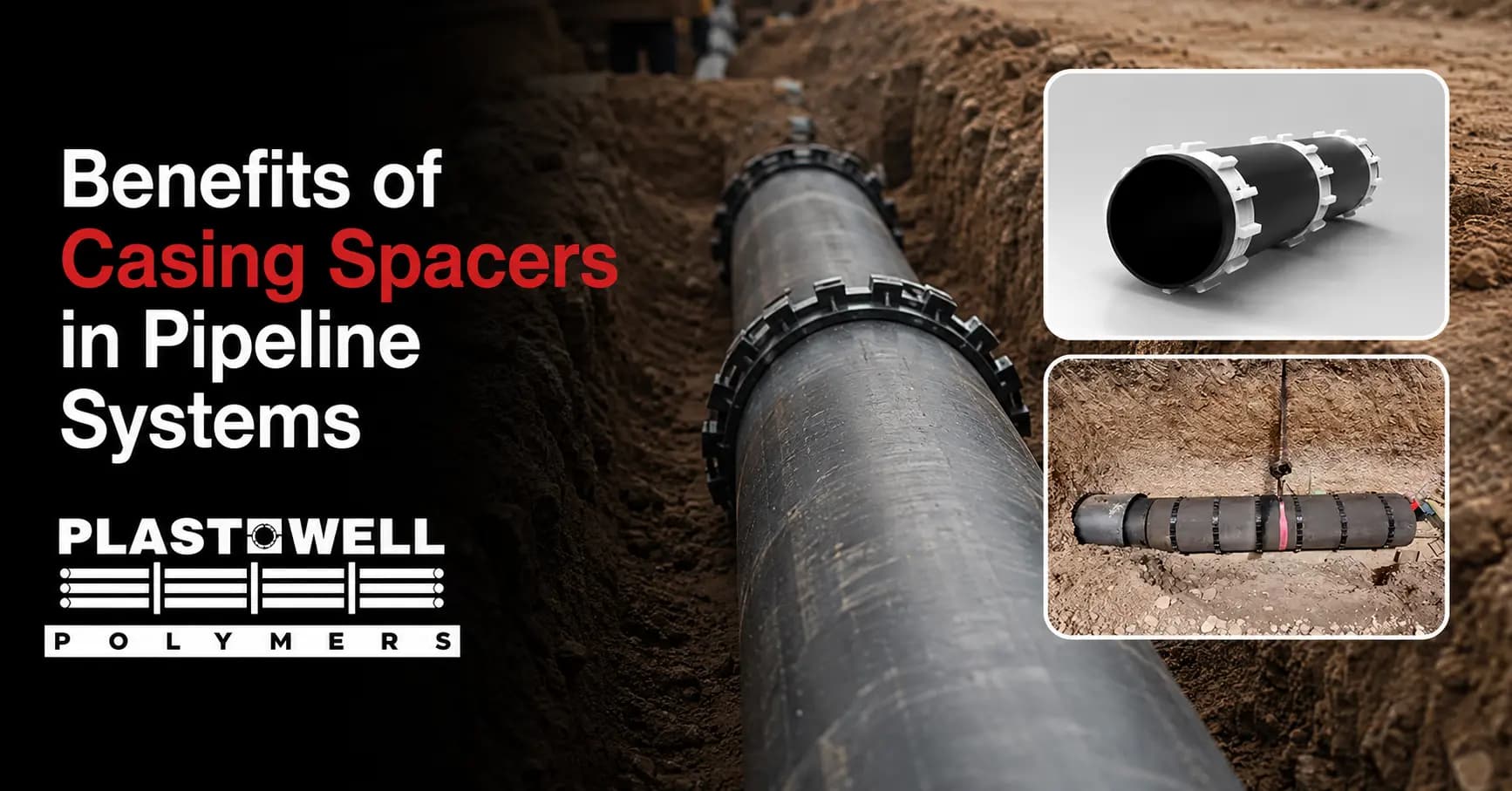
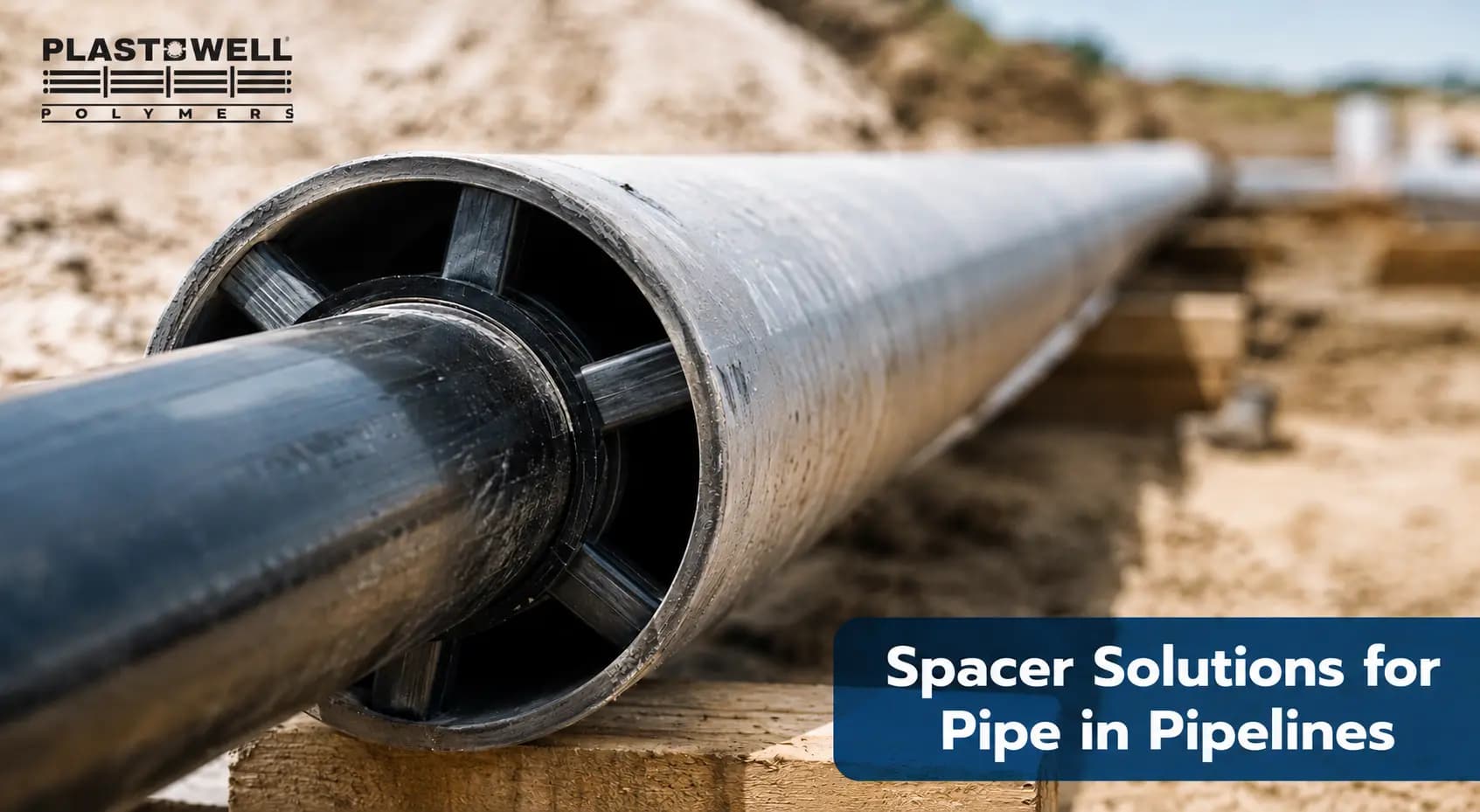
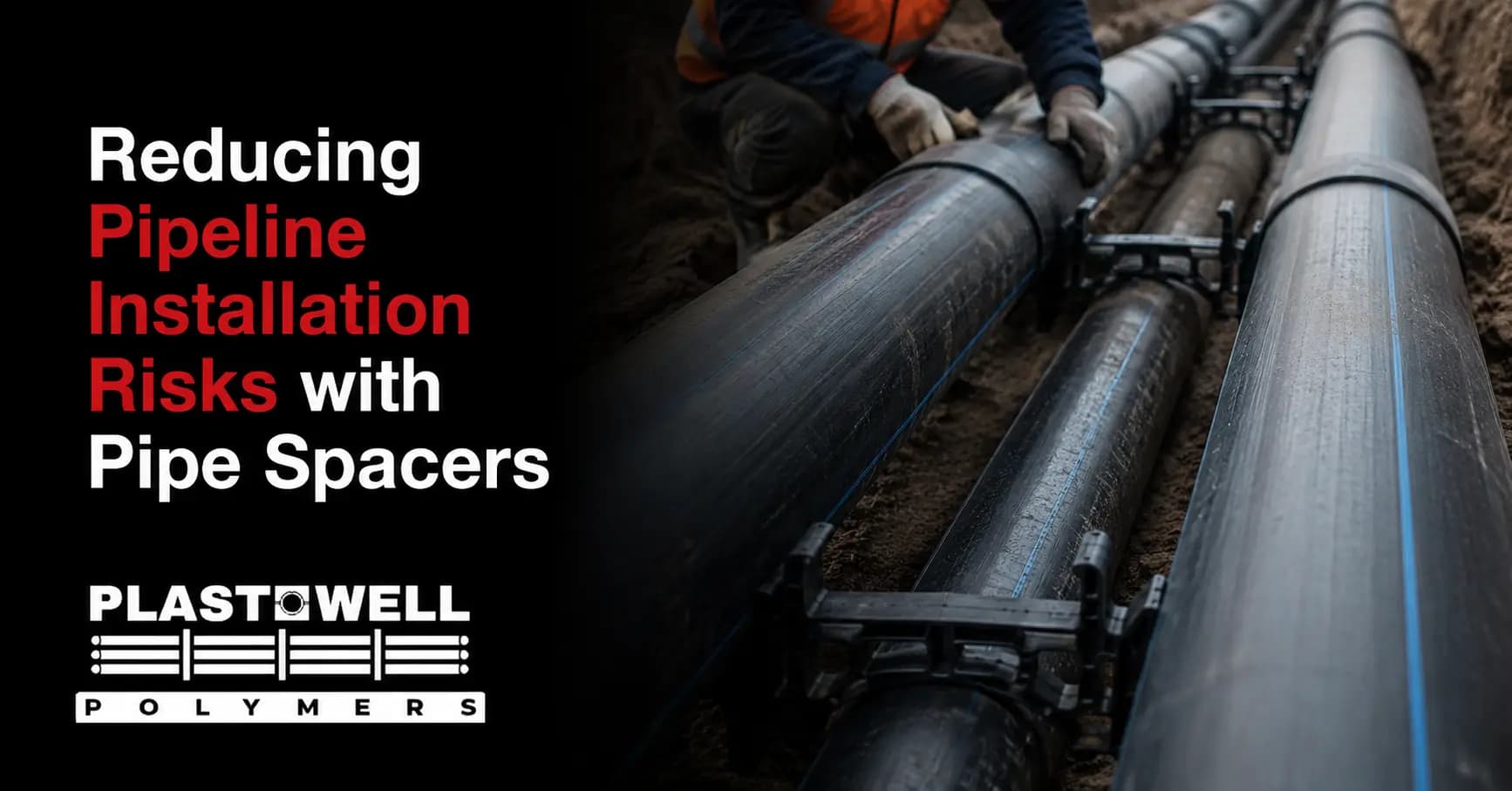
Pipe spacers play an important role in pipeline installations. Spacers provide accurate distance control between pipes and casing pipes, which helps to maintain their correct alignment during installation and throughout their operational period.
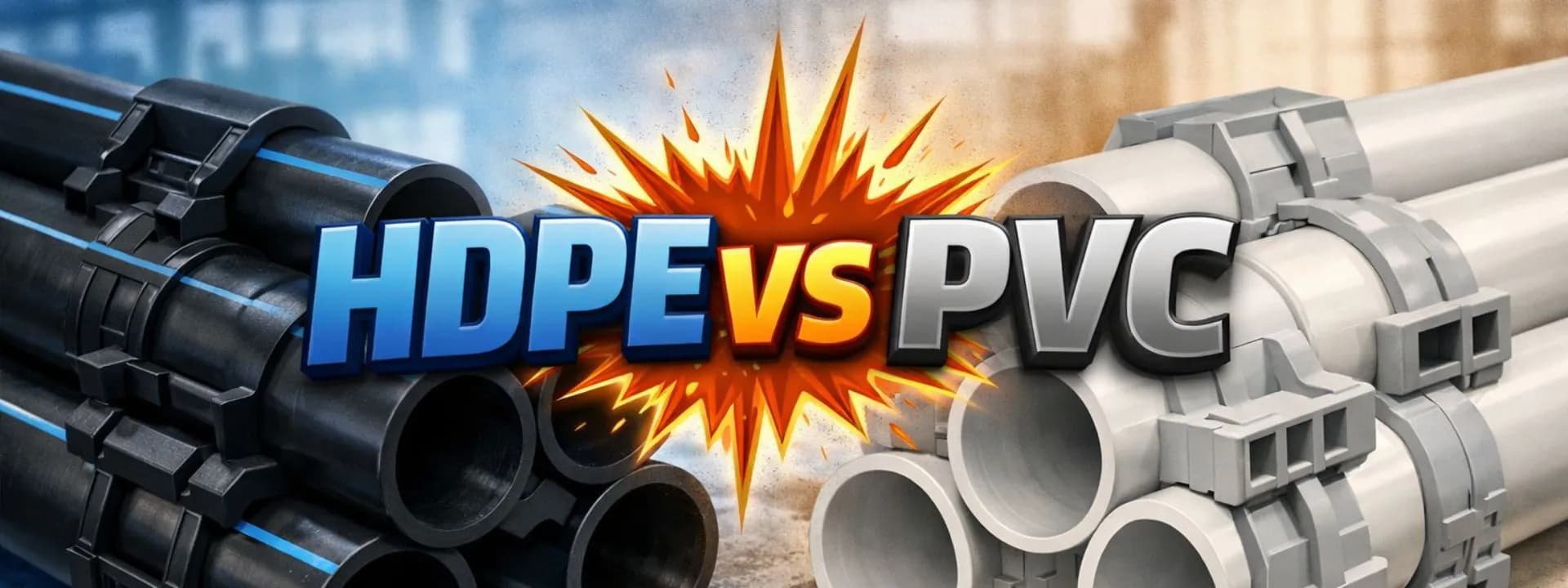
When it comes to choosing the right pipe spacer, two materials are commonly used: HDPE (High-Density Polyethylene) and PVC (Polyvinyl Chloride). The two materials that construction and pipeline systems utilize provide different advantages for various applications.
The differences between HDPE and PVC pipe spacers will help you choose the correct spacer material for your pipeline project when you need to decide between both materials.
What Are HDPE Pipe Spacers?
HDPE pipe spacers are made from High-Density Polyethylene, a strong and flexible plastic material known for its durability and resistance to environmental stress.
HDPE spacers are designed to handle tough conditions, including high pressure, heavy loads, and long-term underground installations.
Key Features of HDPE Pipe Spacers
- High impact resistance
- Excellent flexibility
- Resistant to chemicals and corrosion
- Lightweight yet strong
- Long service life
Because of these qualities, HDPE spacers are often preferred for large infrastructure and heavy-duty pipeline projects.
What Are PVC Pipe Spacers?
PVC pipe spacers are manufactured from Polyvinyl Chloride, another widely used plastic material in piping systems.
PVC spacers are known for their affordability and ease of installation. They are commonly used in projects where the load and environmental conditions are moderate.
Key Features of PVC Pipe Spacers
- Cost-effective material
- Good corrosion resistance
- Smooth surface for easy pipe movement
- Lightweight design
- Easy installation
PVC spacers are frequently used in water distribution systems, smaller pipelines, and budget-friendly projects.
HDPE vs PVC Pipe Spacers Comparison
| Feature | HDPE Pipe Spacers | PVC Pipe Spacers |
|---|---|---|
| Material | Made from High-Density Polyethylene | Made from Polyvinyl Chloride |
| Strength | Very strong and durable | Strong but less durable than HDPE |
| Flexibility | Highly flexible and impact resistant | More rigid and less flexible |
| Load Capacity | Suitable for heavy-duty pipelines | Suitable for moderate loads |
| Resistance to Chemicals | Excellent chemical resistance | Good chemical resistance |
| Temperature Resistance | Performs better in extreme temperatures | May become brittle in very high or low temperatures |
| Durability | Long-lasting and highly durable | Durable but shorter lifespan compared to HDPE |
| Weight | Lightweight but strong | Lightweight and easy to handle |
| Installation | Easier for large projects due to flexibility | Simple installation for smaller projects |
| Cost | Slightly more expensive | More cost-effective |
| Best Use | Industrial pipelines, large infrastructure projects | Residential, municipal, and small pipeline systems |
Factors to Consider Before Choosing Pipe Spacers
Before selecting HDPE or PVC pipe spacers, it is important to evaluate several factors related to your pipeline project.
1. Pipe Size and Weight
Larger pipes require strong spacers that withstand heavier loads than standard requirements. The higher strength and flexibility of HDPE spacers make them the preferred choice for these situations.
2. Environmental Conditions
HDPE spacers provide superior performance when pipelines face exposure to chemicals, moisture, and extreme temperatures because they possess better environmental stress resistance.
3. Installation Method
Pipeline systems need construction to push or pull pipes through complete casing sections, which extend over their entire length. The installation process benefits from HDPE flexible spacers because they decrease friction during installation work.
4. Budget Considerations
For smaller projects or installations with moderate requirements, PVC spacers can provide a more cost-effective solution without compromising basic functionality.
Evaluating these factors helps ensure that the chosen pipe spacer meets the technical and financial requirements of the project.
When Should You Choose HDPE Pipe Spacers?
HDPE pipe spacers are ideal when the project requires high strength, flexibility, and long-term reliability.
You should consider HDPE spacers if:
- The pipeline is installed underground for long periods
- The project involves heavy loads or large pipes
- The environment includes chemicals or harsh conditions
- Long service life is important
Infrastructure projects such as highways, industrial pipelines, and large water supply systems often use HDPE spacers.
When Should You Choose PVC Pipe Spacers?
PVC pipe spacers are a good choice for standard or cost-sensitive pipeline installations.
They are suitable when:
- The project has a limited budget
- Pipe loads are moderate
- Environmental conditions are not extreme
- The pipeline system is smaller or less complex
PVC spacers are commonly used in municipal water systems, residential developments, and small utility pipelines.
FAQs
1. What is the purpose of pipe spacers in pipeline installation?
Pipe spacers are used to keep the carrier pipe centered inside the casing pipe. They prevent direct contact between pipes, reduce friction during installation, and protect the pipeline from damage or corrosion.
2. Which is better: HDPE or PVC pipe spacers?
Both materials have their advantages. HDPE pipe spacers are stronger, more flexible, and better suited for heavy-duty applications. PVC pipe spacers are more cost-effective and suitable for smaller or moderate pipeline installations.
3. Why are HDPE pipe spacers used in underground pipelines?
HDPE pipe spacers are often used in underground pipelines because they are highly durable and resistant to environmental stress. They can withstand soil pressure, moisture, and chemicals, making them suitable for long-term underground installations.
4. How many pipe spacers are required for a pipeline installation?
The number of pipe spacers required depends on the pipe diameter, pipe length, and installation conditions. In most cases, spacers are installed at regular intervals along the pipeline to maintain proper alignment and support.
5. What industries use pipe spacers?
Pipe spacers are used in many industries, including water supply systems, wastewater management, oil and gas pipelines, construction projects, and utility infrastructure installations.
Final Thoughts
The installation process needs proper pipe alignment maintenance, which both HDPE and PVC pipe spacers provide while also safeguarding the pipelines throughout the installation work. The selection process identifies the optimal solution through assessment of project specifications, available funding, and existing environmental factors.
The pipe spacer selection process requires you to understand the material strengths because this knowledge will help you achieve safe and efficient pipeline operation with extended system durability.
The selection of the appropriate pipe spacer material begins with understanding the material properties, which help protect the safety and operational effectiveness and lifespan of your pipeline system.