Benefits of Casing Spacers in Pipeline Systems
Introduction
Pipeline systems are a vital part of modern infrastructure, carrying water, oil, gas, chemicals, and industrial fluids across long distances. However, underground pipeline installations face several challenges such as friction, corrosion, pipe movement, and alignment issues that can affect long-term performance.
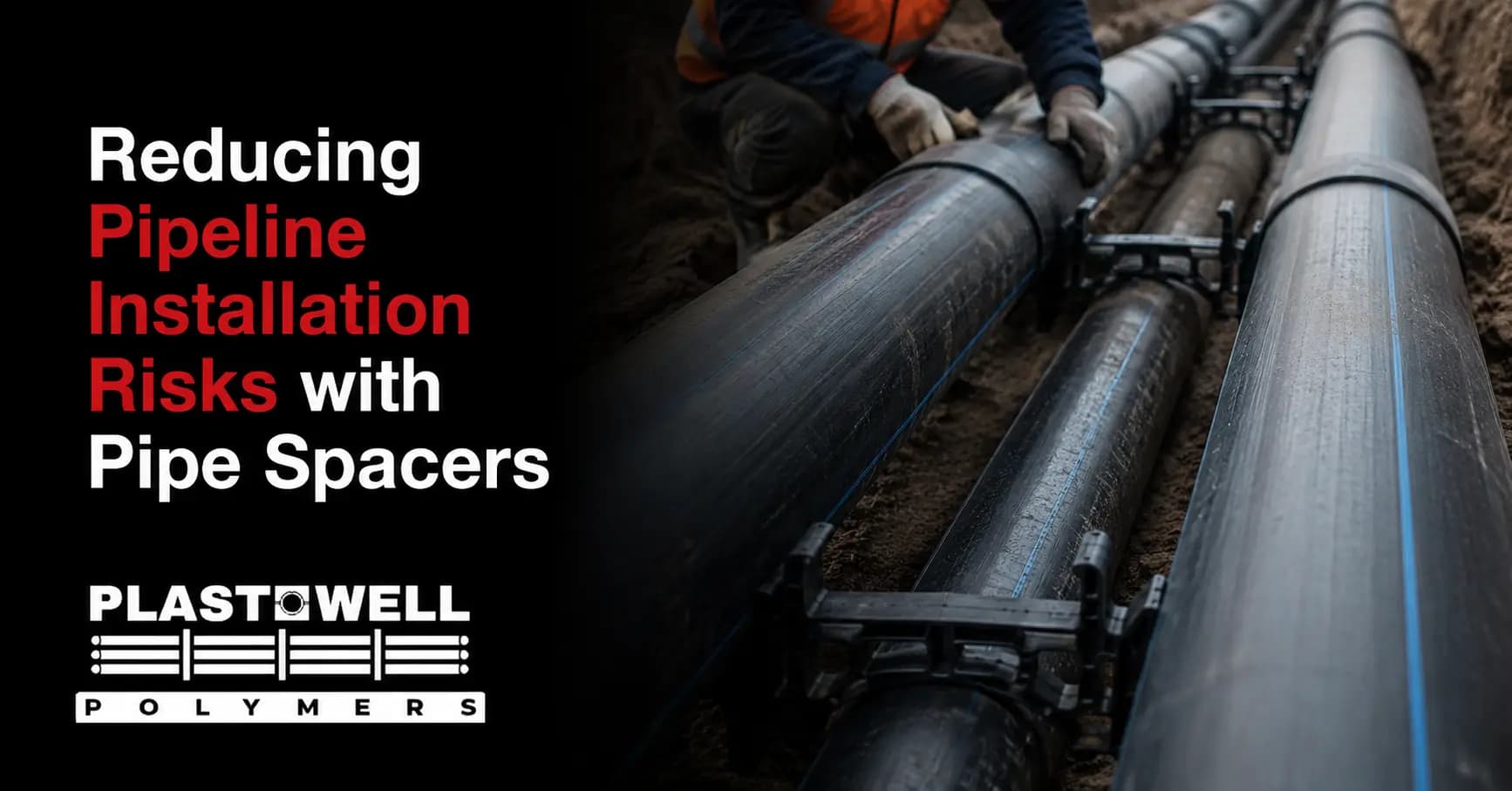
To protect pipelines and improve installation reliability, engineers use casing spacers. These components help maintain proper spacing and alignment between the carrier pipe and casing pipe while reducing surface damage and operational risks.
Casing spacers are widely used in oil & gas, water supply, industrial utilities, and sewage projects due to their ability to improve pipeline protection, reduce maintenance issues, and support efficient underground installations.
What Are Casing Spacers?
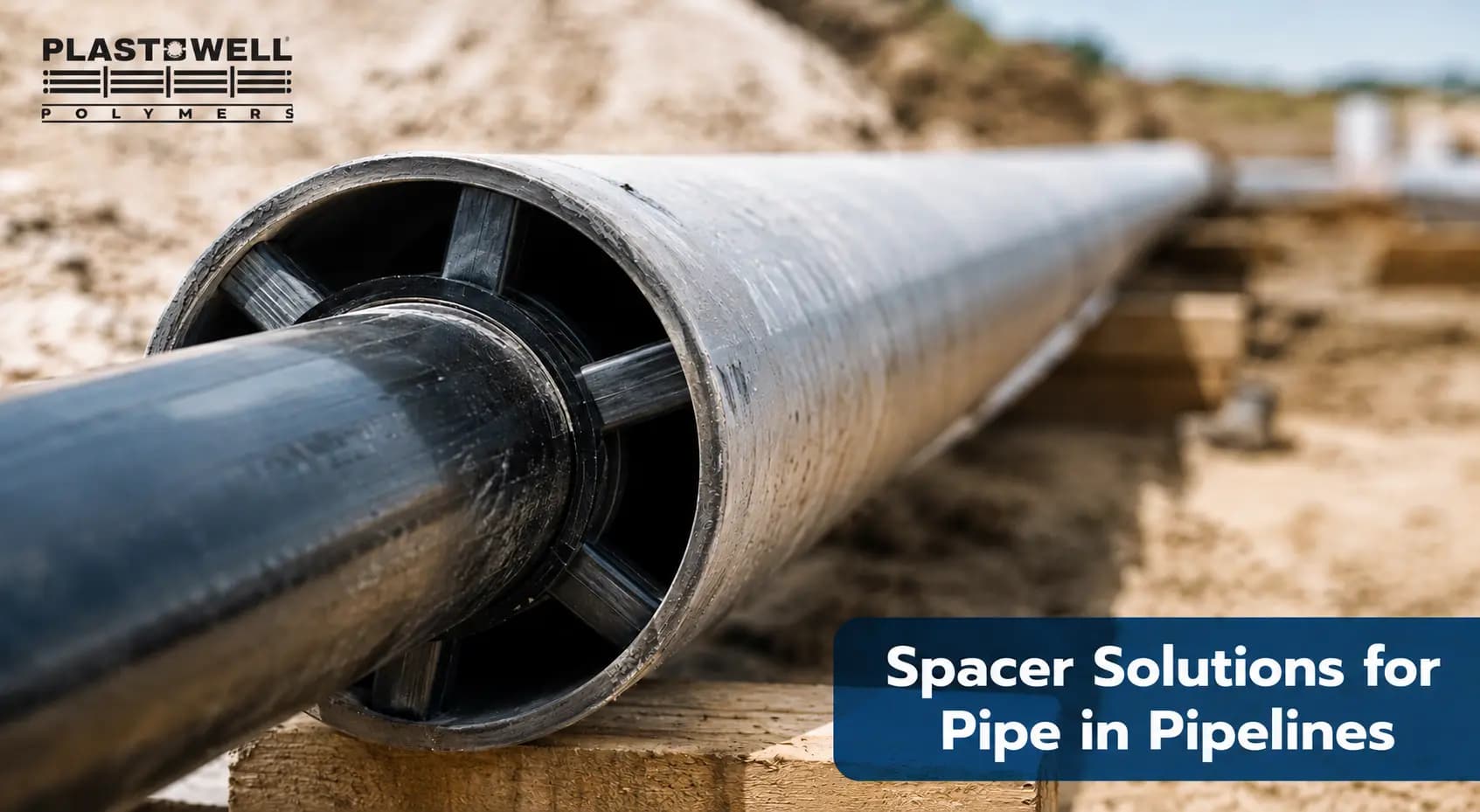
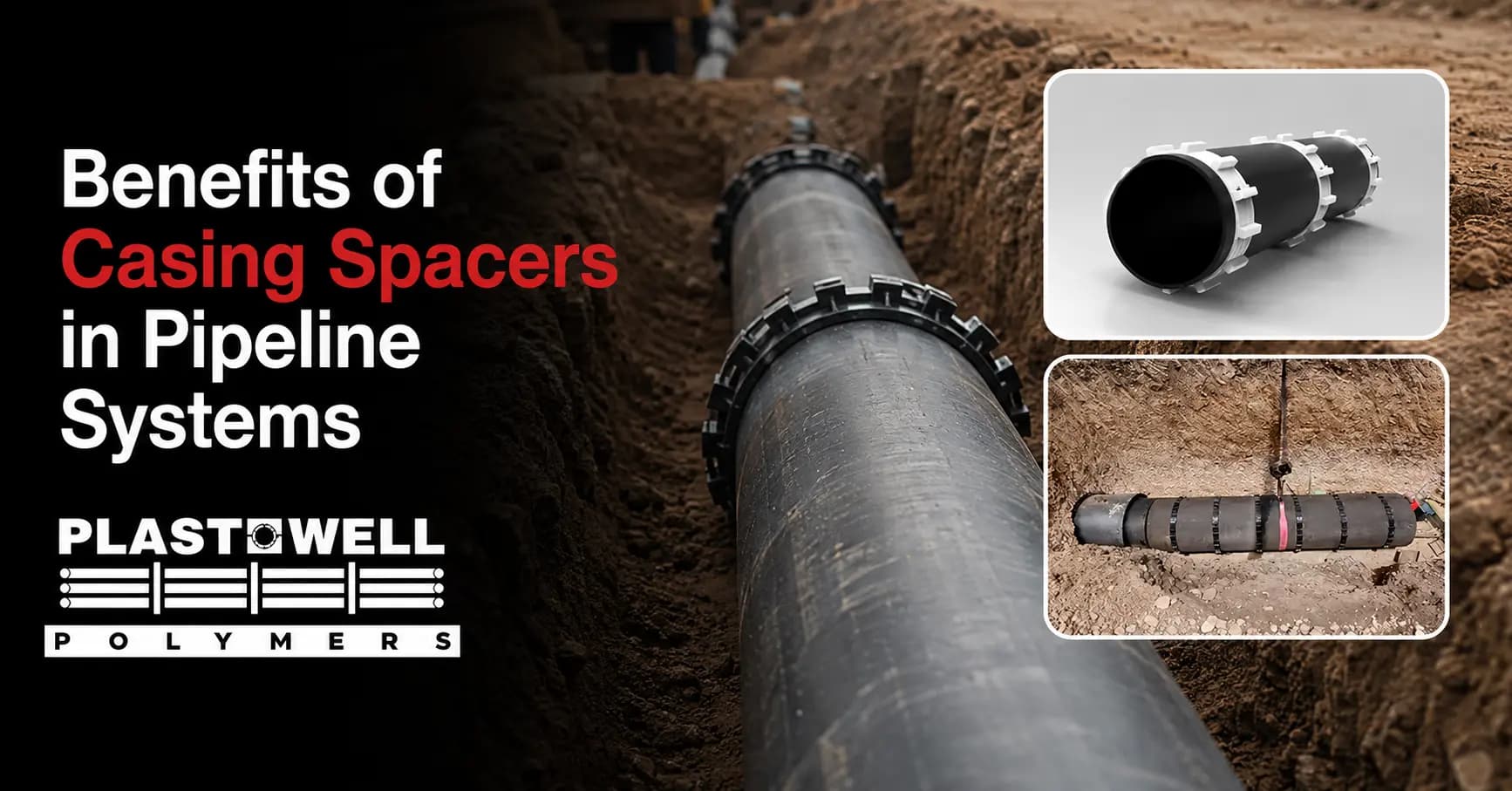
Casing spacers, also known as casing insulators in the pipeline industry, are support devices installed around the carrier pipe before insertion into the casing pipe. Their primary role is to keep the carrier pipe centered and elevated within the casing.
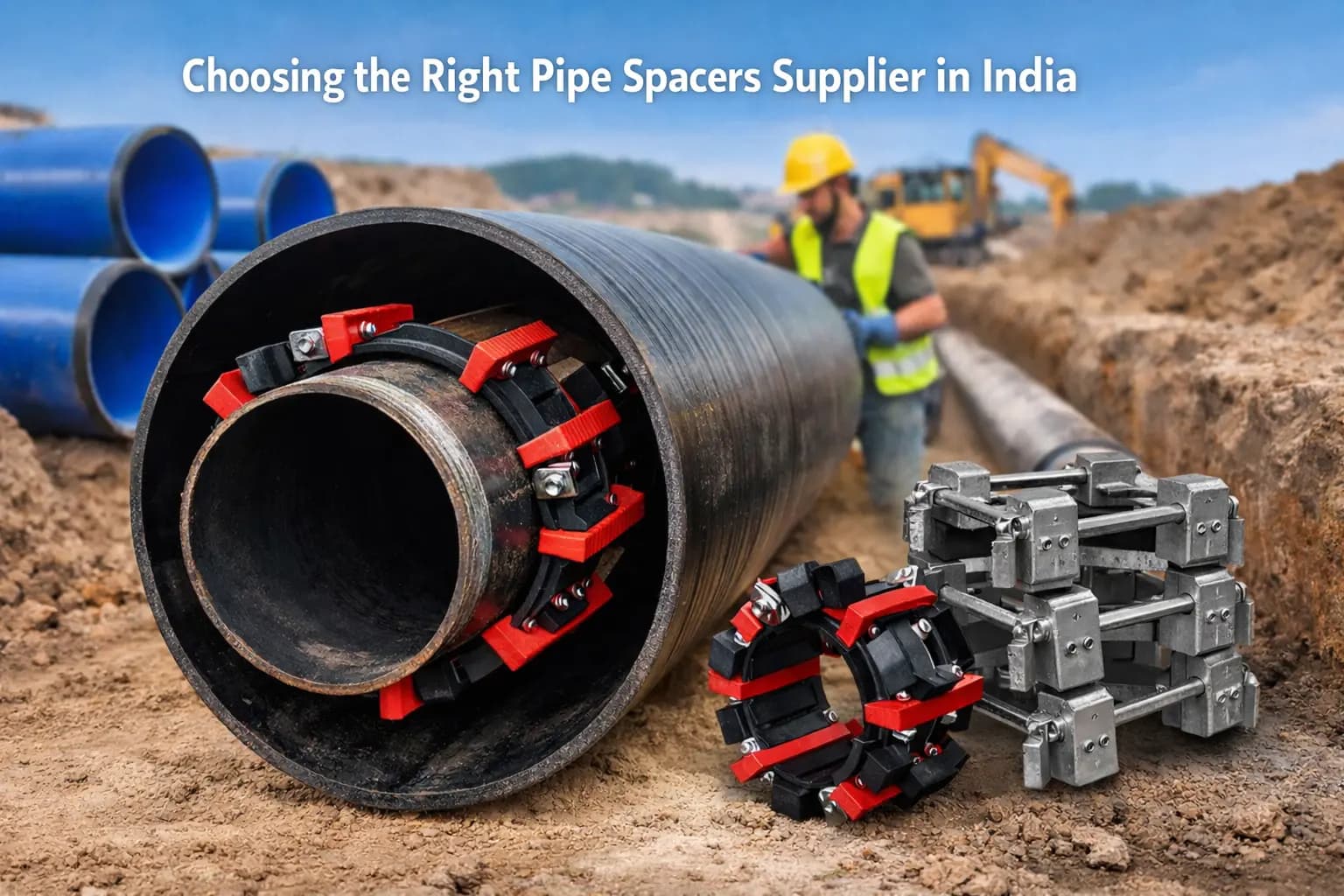
A typical casing spacer consists of:
- Spacer bands
- Runners or skids
- Fasteners or locking systems
These spacers are available in various materials, including:
- High-density polyethylene (HDPE)
- Stainless steel
- Mild steel
- Engineering-grade polymers
The selection of spacer type depends on factors such as pipe size, load requirements, soil conditions, and environmental exposure.
Casing spacers are especially important in applications involving road crossings, railway crossings, river crossings, and industrial underground installations where pipelines require additional protection.
Why Are Casing Spacers Important in Pipeline Systems?
Without proper spacing support, carrier pipes may come into direct contact with the casing pipe during installation or operation. This contact can cause friction, abrasion, coating damage, corrosion, and misalignment.
Casing spacers solve these problems by maintaining a controlled annular gap between the carrier pipe and casing pipe. This improves both installation efficiency and operational reliability.
They are considered a preventive solution that helps avoid costly maintenance issues in the future.
Major Benefits of Casing Spacers in Pipeline Systems
1. Ensures Proper Pipe Alignment
One of the most important benefits of casing spacers is maintaining proper pipe alignment.
When pipelines are inserted into casing pipes without adequate support, the carrier pipe may sag or shift from its intended position. Misalignment can lead to uneven pressure distribution and mechanical stress.
Casing spacers keep the carrier pipe centered throughout the casing pipe, ensuring stable positioning during and after installation.
Proper alignment provides several advantages:
- Reduced structural stress
- Improved operational efficiency
- Better load distribution
- Lower risk of pipeline deformation
In long-distance underground installations, accurate alignment is critical for maintaining the integrity of the entire pipeline system.
2. Reduces Friction During Installation
Pipeline installation often involves pushing or pulling the carrier pipe through the casing pipe. Without spacers, direct pipe-to-pipe contact creates excessive friction.
High friction levels can make installation difficult and increase the risk of coating damage.
Casing spacers are designed with runners or skids that allow smoother movement inside the casing pipe. This significantly reduces installation resistance and makes pipe insertion easier.
Reduced friction offers multiple benefits:
- Faster installation process
- Lower installation force requirements
- Reduced risk of pipe surface damage
- Improved worker safety during installation
Smooth installation also minimizes delays and helps contractors complete projects more efficiently.
3. Protects Pipeline Coatings
Most underground pipelines are coated with protective layers to prevent corrosion and environmental damage. However, these coatings can easily become damaged during installation if the carrier pipe rubs against the casing pipe.
Even small scratches or abrasions can expose metal surfaces to moisture and chemicals, leading to corrosion over time.
Casing spacers prevent direct contact between the carrier pipe and casing pipe, helping preserve the protective coating.
4. Helps Prevent Corrosion
Corrosion is one of the most common causes of underground pipeline failure. Moisture trapped between the carrier pipe and casing pipe can accelerate corrosion, especially when metal surfaces are in direct contact.
Casing spacers create and maintain a uniform gap between the two pipes, improving airflow and reducing moisture accumulation.
Many modern spacers are also manufactured using corrosion-resistant materials such as HDPE and stainless steel, which further improve system durability.
By reducing metal-to-metal contact and improving environmental protection, casing spacers contribute significantly to corrosion prevention.
5. Improves Load Distribution
Underground pipelines are subjected to several external loads, including:
- Soil pressure
- Vehicle traffic loads
- Structural loads
- Environmental stress
Improper load distribution can create stress concentration points that weaken the pipeline.
Casing spacers help distribute the pipe load more evenly across the support structure. This minimizes localized pressure and reduces the risk of bending, sagging, or pipe deformation. Balanced load distribution improves the structural stability of the entire pipeline system.
6. Increases Pipeline Lifespan
A properly supported pipeline experiences less stress, reduced corrosion, and fewer installation-related damages. As a result, casing spacers directly contribute to longer pipeline lifespan.
Pipelines protected with high-quality spacers generally require less maintenance and experience fewer operational failures over time.
Longer pipeline life means:
- Lower repair costs
- Reduced downtime
- Improved return on investment
- Better infrastructure reliability
For industries that rely heavily on continuous pipeline operation, extending pipeline lifespan is a major advantage.
7. Supports Easier Maintenance and Inspection
Pipelines that are properly aligned and protected are generally easier to inspect and maintain.
Casing spacers help maintain consistent spacing throughout the casing pipe, making it easier for maintenance teams to assess pipeline conditions if required.
Reduced corrosion and coating damage also minimize the frequency of maintenance interventions.
This contributes to smoother long-term pipeline management.
Choosing the Right Casing Spacers
To maximize the benefits of casing spacers, selecting the correct spacer type is essential.
Factors to consider include:
Pipe Size and Weight
Larger pipelines require spacers with higher load-bearing capacity.
Environmental Conditions
Corrosive or high-moisture environments require corrosion-resistant materials.
Installation Method
Different installation techniques may require specific spacer designs.
Load Requirements
Traffic loads and soil pressure should be considered when selecting spacer strength.
Material Compatibility
The spacer material should be compatible with the pipeline material and operating conditions.
Working with experienced manufacturers helps ensure the right spacer solution for each project.
Future Demand for Casing Spacers
As infrastructure development continues to grow across India and globally, the demand for reliable underground pipeline systems is increasing rapidly.
Modern infrastructure projects are focusing more on:
- Long-term durability
- Reduced maintenance costs
- Improved installation efficiency
- Better environmental protection
This has increased the importance of high-performance casing spacers in pipeline engineering.
Manufacturers are also developing advanced spacer designs with improved strength, corrosion resistance, and installation efficiency to meet evolving industry requirements.
Conclusion
Casing spacers play a vital role in improving pipeline safety, alignment, and long-term performance. They help reduce friction, prevent corrosion, protect pipe coatings, and ensure smoother underground installations.
As pipeline infrastructure continues to expand across industries, investing in high-quality casing spacers becomes essential for reducing maintenance risks, improving installation efficiency, and ensuring reliable pipeline operation for years to come.
Plastowell Polymers – Trusted Manufacturer of Casing Insulators
We manufacture durable and precision-engineered Casing Insulators that help improve pipeline protection, reduce installation risks, and enhance operational reliability.
Contact Plastowell Polymers today to find the right casing insulator solution for your project requirements.
FAQs
1. What is the purpose of casing spacers in pipeline systems?
Casing spacers maintain proper alignment and spacing between the carrier pipe and casing pipe, reducing friction and protecting the pipeline during installation and operation.
2. How do casing spacers protect pipelines?
They prevent direct contact between pipes, reducing coating damage, corrosion risk, and structural stress.
3. Which materials are commonly used for casing spacers?
Common materials include HDPE, stainless steel, mild steel, and engineering-grade polymers.
4. Are casing spacers necessary for underground pipeline installations?
Yes, casing spacers are highly important in underground installations because they improve alignment, stability, and pipeline protection.
5. Can casing spacers reduce maintenance costs?
Yes, by preventing installation damage and corrosion, casing spacers help reduce long-term repair and maintenance expenses.
6. In which industries are casing spacers commonly used?
They are widely used in oil and gas, water supply, sewage systems, industrial infrastructure, telecommunications, and utility projects.
7. How do casing spacers improve installation efficiency?
They reduce friction during pipe insertion, allowing smoother and faster installation.