Understanding Spacer Solutions for Pipe in Pipelines
Pipeline systems play a critical role in modern infrastructure. From transporting water and gas to carrying chemicals, sewage, oil, and industrial fluids, pipelines are designed to move materials safely and efficiently over long distances. However, behind every successful pipeline installation is a set of essential support components that often go unnoticed. One of the most important among them is the pipe spacer.
Pipe spacers may appear to be small accessories in a pipeline system, but their contribution is massive. They help maintain proper alignment, reduce friction, protect pipelines from damage, and improve the overall life and performance of the system. Whether it is a municipal water project, an oil and gas installation, or an underground utility line, choosing the right spacer solution is essential for long-term reliability.
In this blog, we will explore everything you need to know about spacer solutions for pipes in pipelines, including their importance, types, applications, materials, and factors to consider before selection.
What Are Pipe Spacers?
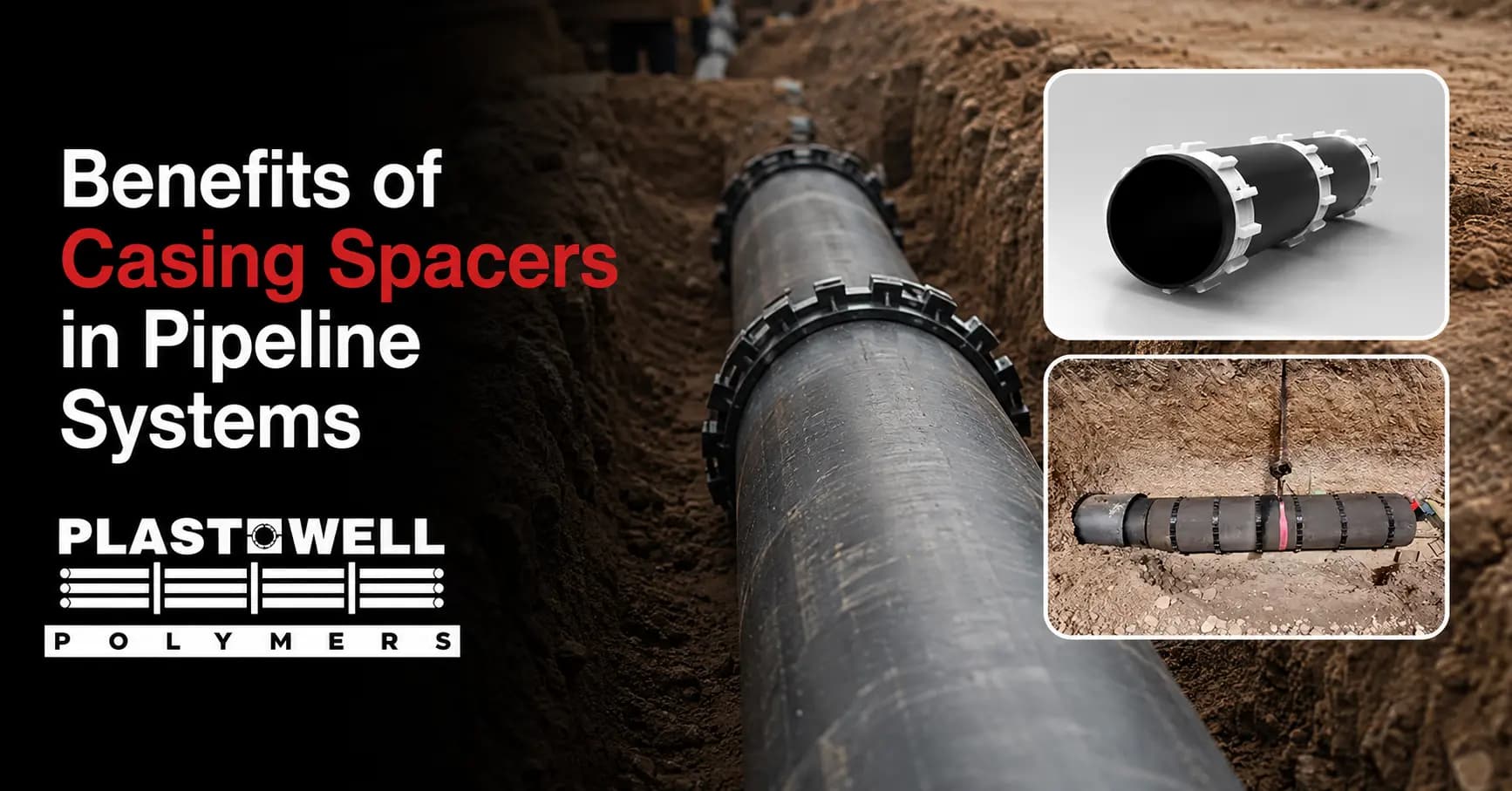
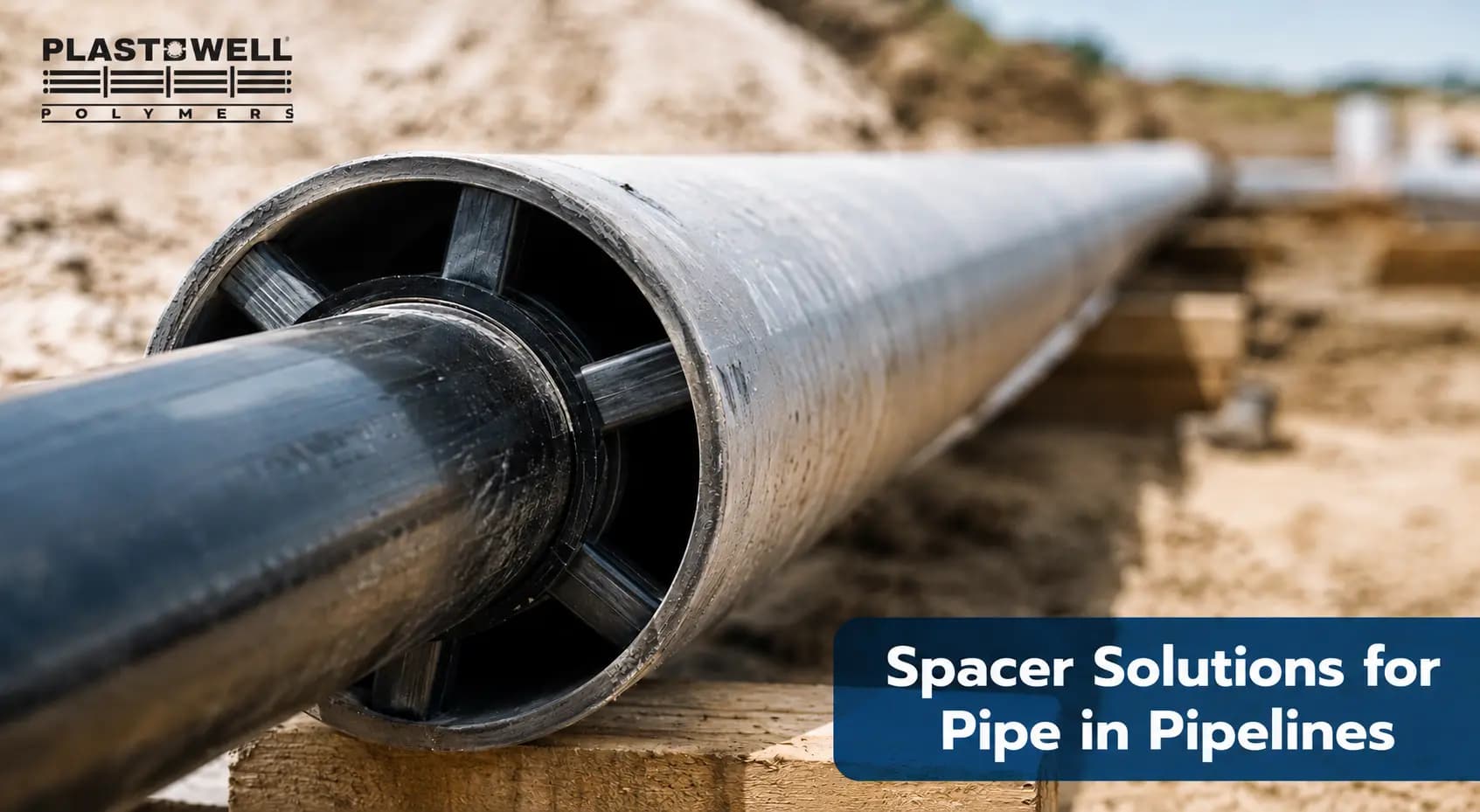
Pipe spacers are specially designed components used to support and centralize carrier pipes inside casing pipes. Their main purpose is to maintain an even gap between the inner pipe and the outer casing while preventing direct contact between them.
In many underground pipeline installations, carrier pipes are installed inside protective casing pipes. Without proper spacing, the carrier pipe can shift, sag, or rub against the casing, leading to coating damage, corrosion, or even structural failure over time. Pipe spacers solve this problem by keeping the pipe securely positioned.
These spacers are commonly used in:
- Water transmission pipelines
- Oil and gas pipelines
- Sewer and drainage systems
- Electrical conduit installations
- Chemical processing plants
- Industrial pipeline networks
Why Are Pipe Spacers Important in Pipeline Systems?
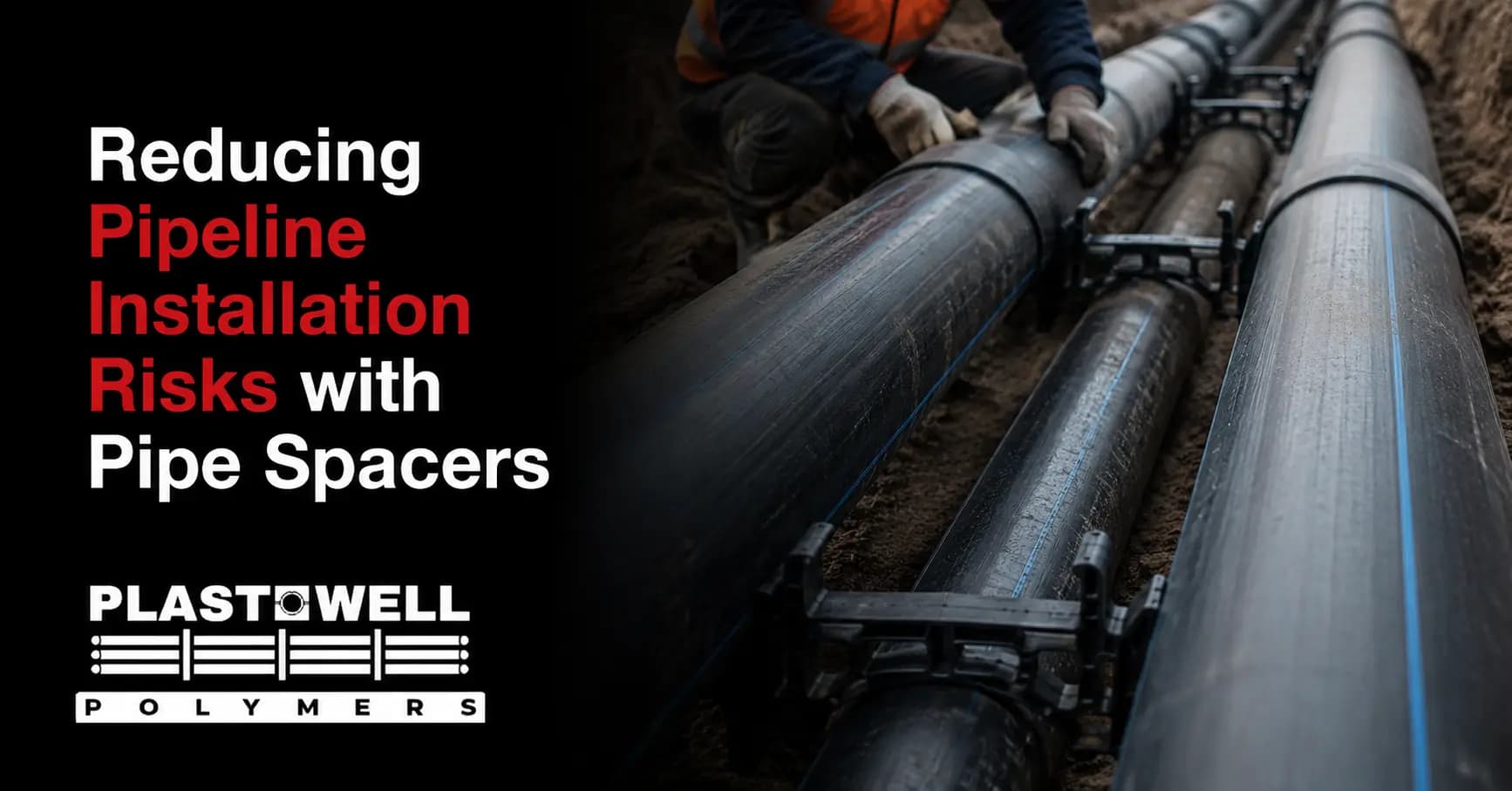
Many pipeline issues begin with poor alignment and inadequate support. Pipe spacers help avoid these problems by improving installation quality and operational stability.
1. Maintains Proper Pipe Alignment
One of the primary functions of a pipe spacer is to keep the carrier pipe centered within the casing. Proper alignment reduces stress on the pipe and ensures smooth operation.
Misaligned pipelines can lead to uneven pressure distribution and long-term wear. Pipe spacers eliminate this risk by stabilizing the pipe position.
2. Protects Pipe Coating
Pipeline coatings are designed to protect against corrosion and environmental damage. Direct contact between the carrier pipe and casing can scratch or damage the coating during installation or operation.
Spacers create a protective gap that prevents surface damage and extends pipeline life.
3. Reduces Friction During Installation
During pipeline insertion, friction between the carrier pipe and casing can make installation difficult. Pipe spacers reduce drag and allow smoother movement inside the casing.
This is especially important for long-distance pipeline installations where pulling forces are high.
4. Prevents Corrosion
Metal-to-metal contact can create corrosion points over time. Pipe spacers help eliminate direct contact, reducing the risk of corrosion and pipe deterioration.
5. Enhances Pipeline Longevity
By reducing stress, vibration, and surface damage, pipe spacers contribute to the long-term durability of the pipeline system.
Types of Pipe Spacer Solutions
Different pipeline projects require different spacer solutions. The choice depends on pipe size, environmental conditions, load requirements, and installation methods.
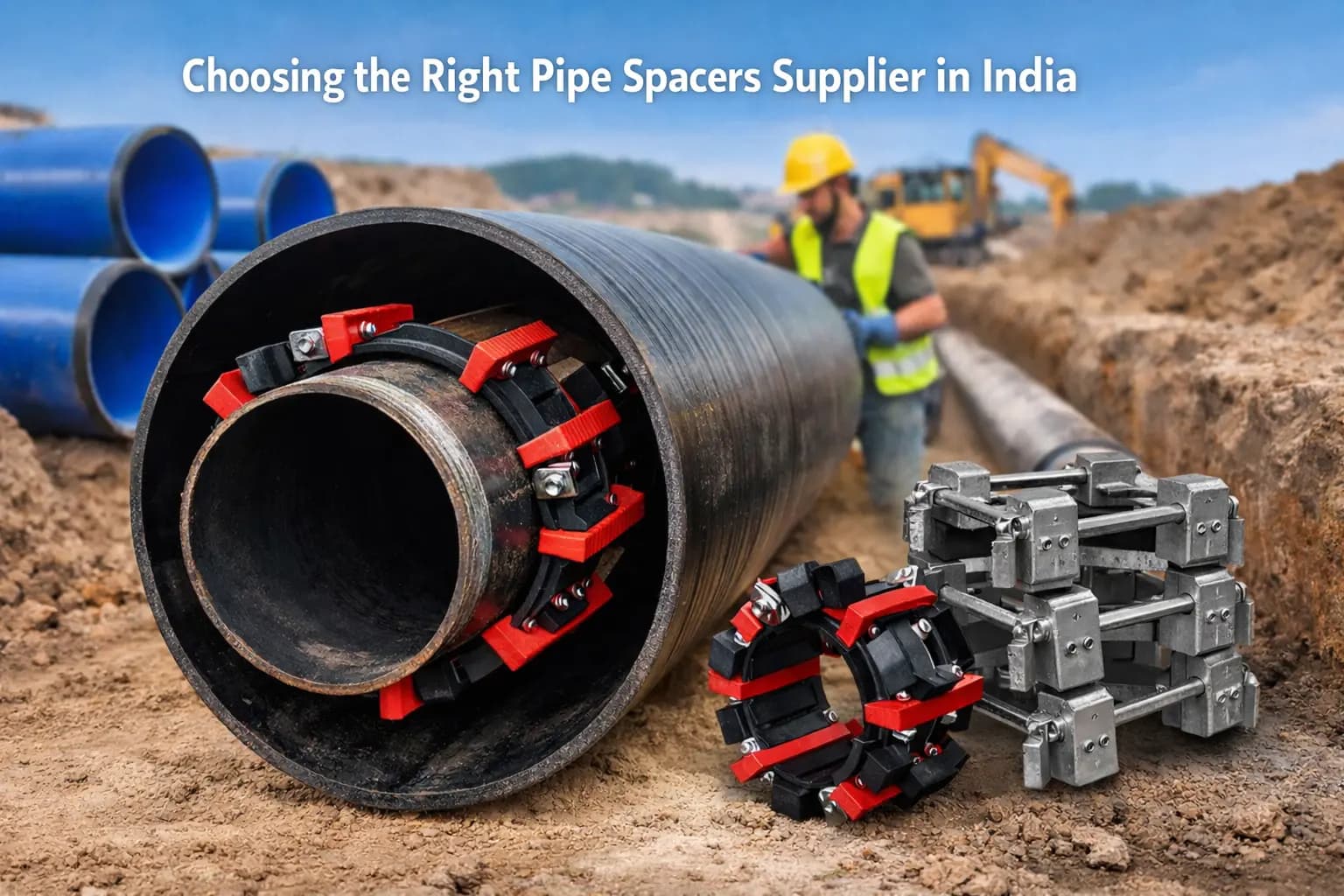
1. Plastic Pipe Spacers
Plastic spacers are widely used due to their lightweight structure and corrosion resistance. They are suitable for water supply systems, drainage networks, and low-to-medium load applications.
Advantages:
- Corrosion resistant
- Lightweight
- Easy installation
- Cost-effective
- Low maintenance
Plastic spacers are commonly made from high-density polyethylene (HDPE) or polypropylene materials.
2. Steel Pipe Spacers
Steel spacers are used for heavy-duty pipeline installations where higher strength and load-bearing capacity are required.
These spacers are often coated to resist corrosion and harsh environmental conditions.
Advantages:
- High durability
- Excellent strength
- Suitable for large-diameter pipelines
- Ideal for industrial applications
Steel spacers are commonly used in oil, gas, and industrial sectors.
3. Roller Type Pipe Spacers
Roller spacers include wheels or rollers that help reduce friction while inserting the carrier pipe into the casing.
These spacers are especially useful for long casing installations where smooth movement is critical.
Benefits:
- Reduced installation force
- Lower coating damage risk
- Easier pipe movement
- Better handling for large pipelines
4. Adjustable Pipe Spacers
Adjustable spacers offer flexibility in fitting different pipe diameters. They are commonly used in projects where pipe sizes may vary or require on-site adjustments.
Applications of Pipe Spacer Solutions
Pipe spacers are used across multiple industries and infrastructure projects.
Water Supply Systems
Municipal water supply pipelines often use spacers to protect carrier pipes inside casings under roads, railways, or rivers.
Proper spacing prevents pipe damage and improves the reliability of water transportation systems.
Oil and Gas Pipelines
Oil and gas pipelines require strong spacer systems to handle heavy loads and harsh conditions. Steel or reinforced spacers are commonly used in these applications.
Sewer and Drainage Networks
Underground drainage systems benefit from pipe spacers by maintaining proper alignment and reducing stress during installation.
Industrial Plants
Chemical plants and industrial facilities use pipe spacers to protect pipelines carrying corrosive or high-temperature materials.
Electrical and Telecom Infrastructure
Spacers are also used in conduit systems to organize and protect cables inside protective casings.
Materials Used in Pipe Spacer Manufacturing
The performance of a pipe spacer depends heavily on the material used in its construction.
HDPE (High-Density Polyethylene)
HDPE is one of the most popular materials for pipe spacers because of its strength, flexibility, and resistance to chemicals and moisture.
Features:
- Lightweight
- Durable
- Non-corrosive
- Long service life
Polypropylene
Polypropylene spacers are suitable for moderate industrial applications and offer good chemical resistance.
Carbon Steel
Carbon steel spacers provide excellent mechanical strength for demanding environments. They are often coated or galvanized to improve corrosion resistance.
Stainless Steel
Stainless steel spacers are ideal for highly corrosive environments such as chemical plants or marine installations. They offer excellent durability but come at a higher cost.
Conclusion
Pipe spacer solutions are an essential part of modern pipeline infrastructure. While they may not always receive attention, their role in maintaining alignment, reducing friction, preventing corrosion, and protecting pipelines is extremely important.
From water supply systems to industrial pipeline networks, choosing the right spacer solution can significantly improve installation quality and long-term performance. Factors such as pipe size, environmental conditions, load capacity, and material selection all play a major role in finding the ideal solution.
As industries continue to demand safer, stronger, and more efficient pipeline systems, the importance of reliable pipe spacer solutions will only continue to grow. Investing in high-quality spacers today can help prevent costly failures and maintenance problems in the future.
FAQs
1. What is the main purpose of a pipe spacer?
A pipe spacer keeps the carrier pipe properly centered inside the casing pipe, preventing direct contact, reducing friction, and protecting the pipeline from damage.
2. Where are pipe spacers commonly used?
Pipe spacers are used in water pipelines, oil and gas systems, sewer networks, industrial plants, and underground utility installations.
3. What materials are used to manufacture pipe spacers?
Common materials include HDPE, polypropylene, carbon steel, and stainless steel, depending on the application and environmental conditions.
4. Why are roller spacers used in pipeline installations?
Roller spacers reduce friction during pipeline insertion, making installation smoother and minimizing coating damage.
5. How do pipe spacers help prevent corrosion?
Pipe spacers prevent direct contact between the carrier pipe and casing, reducing moisture retention and metal-to-metal contact that can cause corrosion.
6. Are plastic pipe spacers durable?
Yes, high-quality plastic spacers made from HDPE or polypropylene are highly durable, corrosion-resistant, and suitable for many pipeline applications.
7. Can pipe spacers improve pipeline lifespan?
Yes, by reducing stress, preventing coating damage, and minimizing corrosion risks, pipe spacers help extend the operational life of pipelines.