Benefits of Using Pipe Spacers in Pipeline Projects
Introduction
Pipelines are critical in transporting water, oil, gas, and other fluids safely and efficiently. While designing and installing pipelines, ensuring proper support and spacing is essential for longevity, performance, and safety. This is where pipe spacers play a vital role. Let’s explore why using pipe spacers is a smart choice in pipeline projects.
What Are Pipe Spacers?
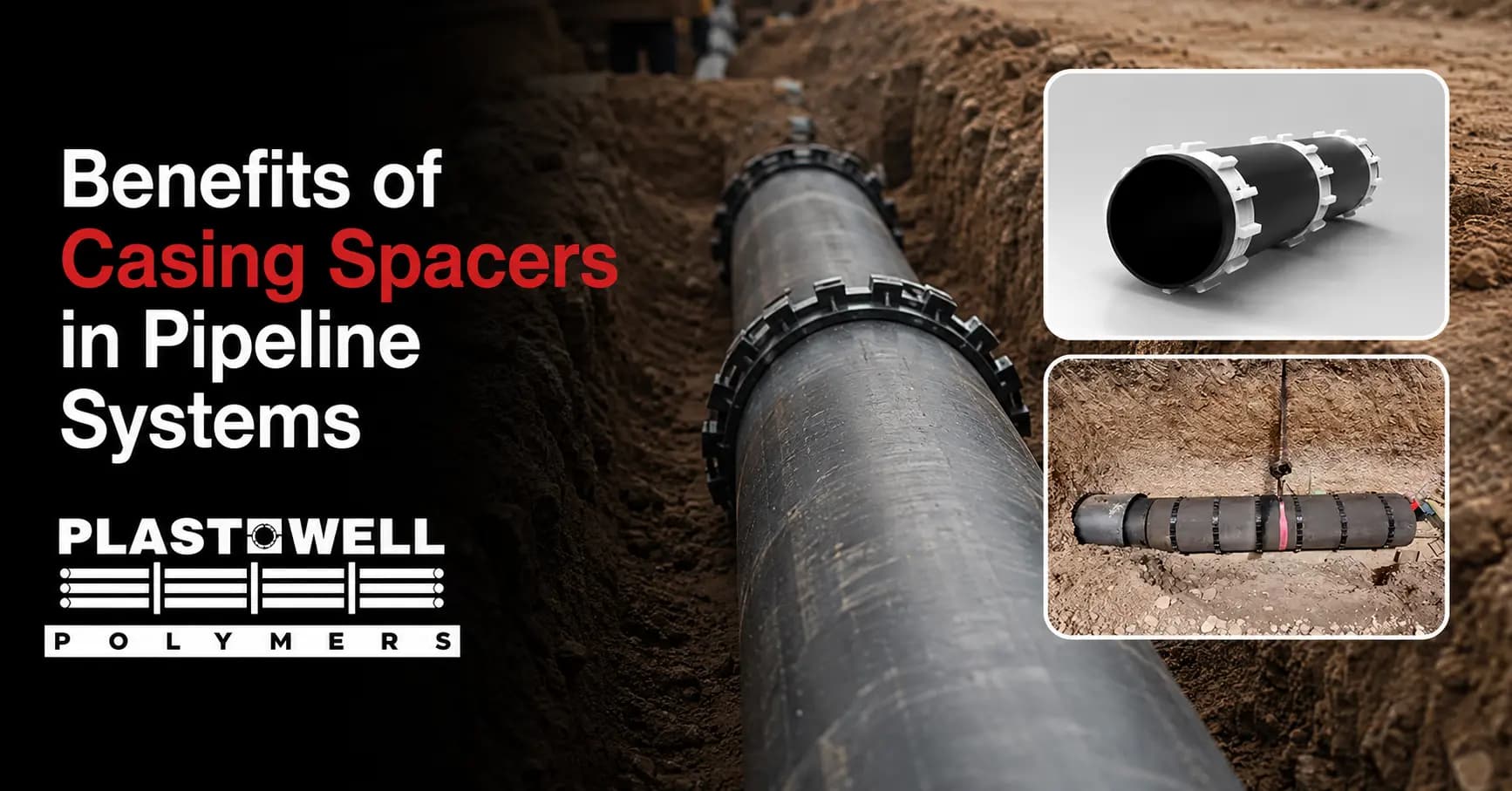
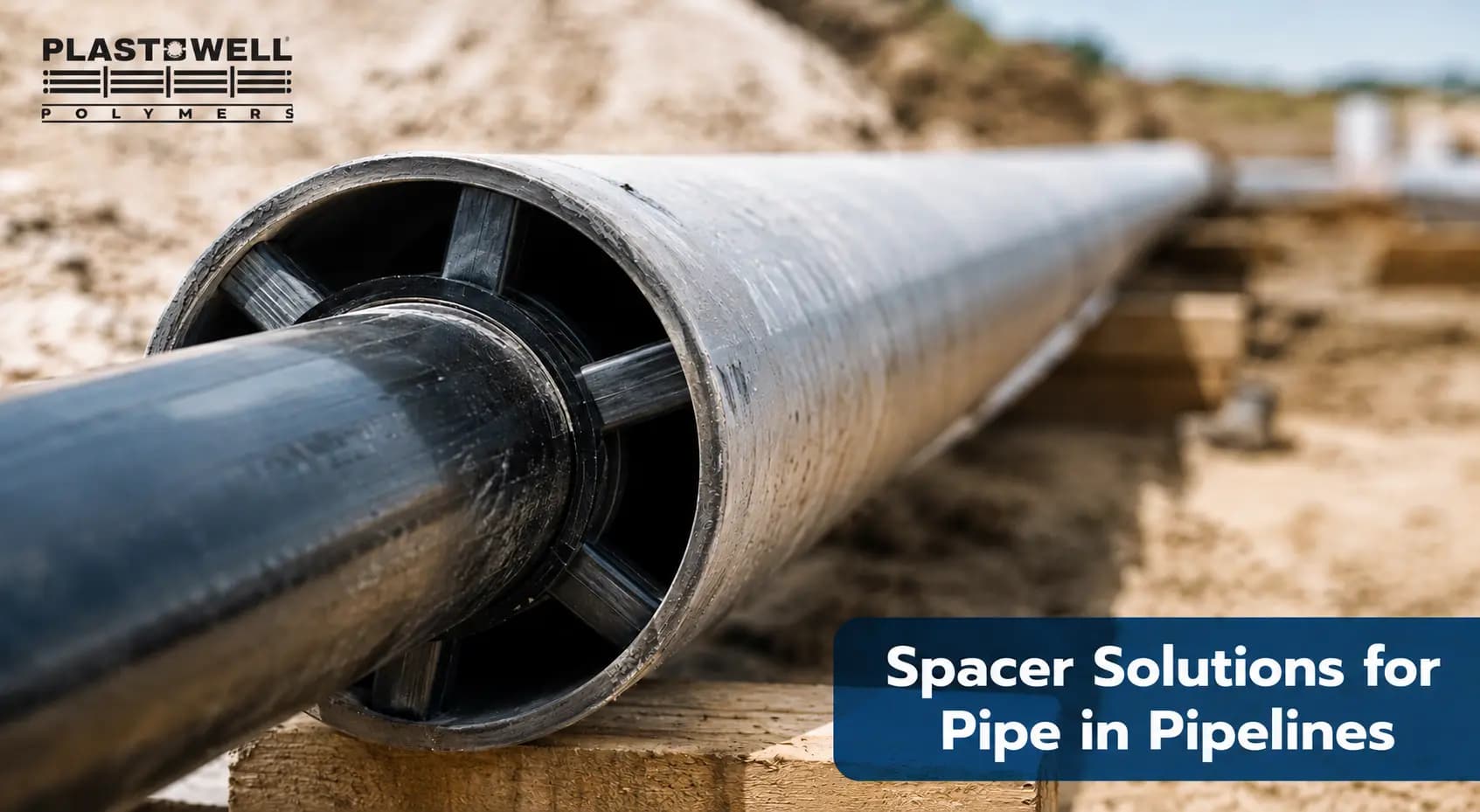
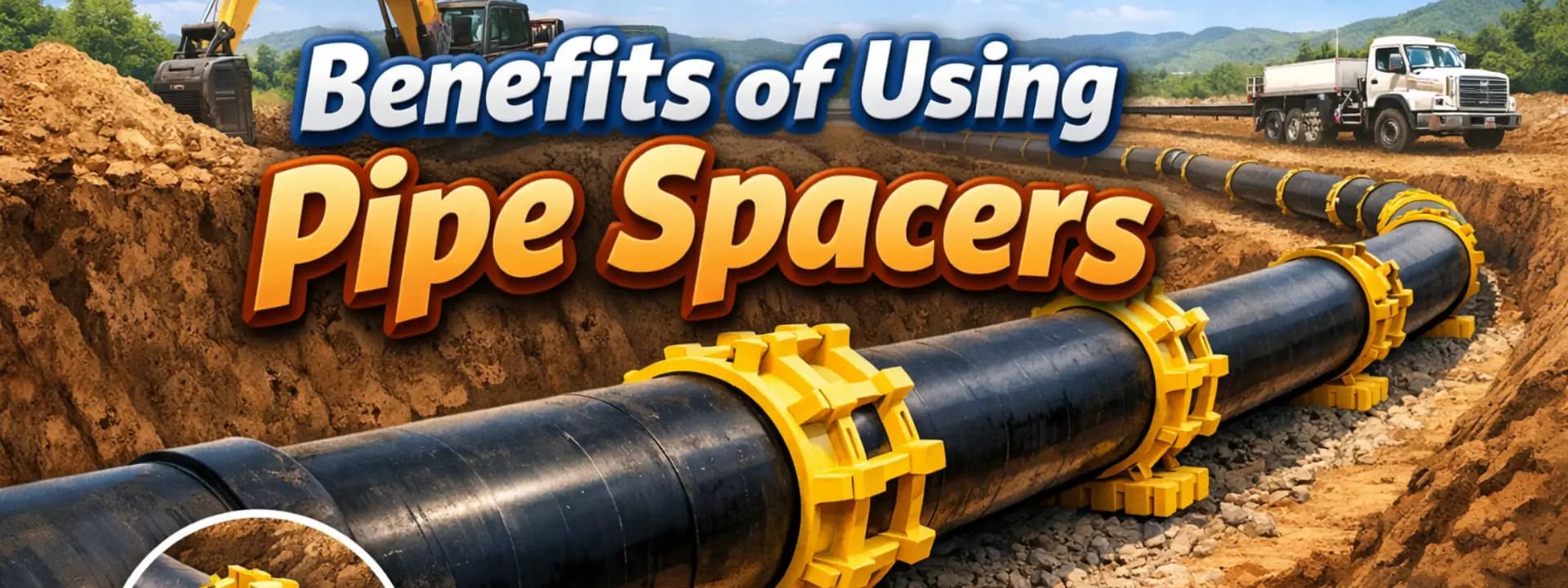
Pipe spacers function as devices that install between pipelines and their supporting structures. The system maintains fixed distances between elements while stopping any surfaces from touching each other. The system protects the pipeline from both stress and damage. Pipe spacers come in various material options, which include plastic, metal, and rubber to suit different pipeline systems and environmental conditions.
Key Benefits of Using Pipe Spacers
1. Ensures Proper Pipe Alignment
The pipeline system requires proper alignment because misalignment causes both bending and displacement of the pipeline. Pipe spacers maintain uniform spacing between pipelines and their support structures, which enables the pipeline to maintain its original path without any shape changes.
2. Reduces Stress on Pipes
Pipelines experience thermal expansion, vibrational effects, and external loading conditions. The usage of pipe spacers allows them to distribute stress while keeping pipes safe from cracks, leaks, and deformations throughout their lifespan.
3. Prevents Corrosion and Wear
Direct contact between pipes and surfaces causes corrosion, abrasion, and wear to occur. Pipe spacers create a buffer that reduces friction and extends pipeline protection against harmful elements, thus increasing pipeline lifespan.
4. Improves Safety and Stability
Properly spaced pipes provide greater stability because they will not experience movement or sagging problems. The safety of operations in industrial and high-pressure environments is protected because this system prevents accidents, pipeline bursts, and leaks.
5. Facilitates Easy Maintenance
Pipeline systems that use pipe spacers to maintain uniform spacing between pipes become more accessible for their inspection, cleaning, and repair operations.
The reduced time and expense required for pipeline management operations result from this accessibility, which makes pipeline operations more efficient.
6. Supports Large and Complex Pipelines
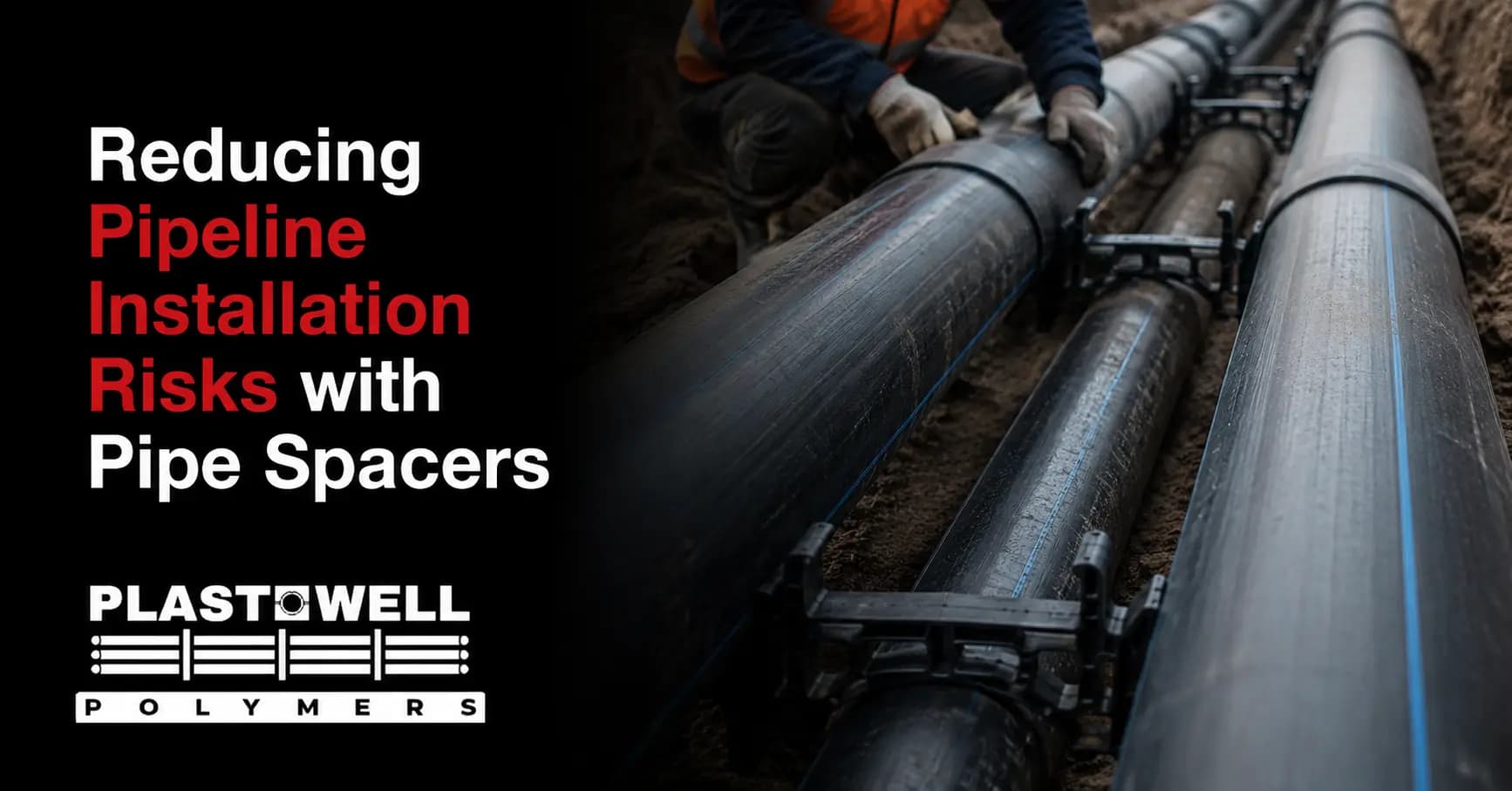
Spacers serve to establish correct spacing between pipelines, which helps to organize and maintain multiple pipeline operations in extensive projects. The setup prevents operational issues because it stops equipment from getting entangled and interfering with operations.
7. Enhances Load Distribution
Pipe spacers help distribute the weight of the pipeline across support structures, which support its entire weight. This guarantees structural stability because it prevents specific areas from developing excessive pressure, which would cause damage to pipes and supports.
8. Extends Overall Pipeline Service Life
Pipe spacers extend pipeline system operational life through three mechanisms, which include stress reduction, corrosion prevention, and alignment maintenance. The system decreases replacement frequency while it decreases operational expenses throughout its entire operational lifespan.
9. Reduces Installation Errors
Pipe spacers provide better assistance to installers who need to install pipes at proper locations. The fixed spacing allows installers to complete their work with greater speed while maintaining better accuracy, which helps them reduce mistakes that might cause future alignment and performance problems.
10. Improves Overall System Efficiency
The pipeline system achieves better operation when technicians support and space pipes according to correct methods. The system maintains constant operations because it experiences reduced vibrations and decreased risk of damage and operational interruptions.
How to Choose the Right Pipe Spacers?
Choosing the right pipe spacers is important to ensure long-term pipeline performance and safety. Here are a few key factors to consider:
1. Pipe Size and Weight
Start by checking the diameter and weight of the pipe. The spacer should have sufficient strength to support the load without experiencing bending or shifting when used in large or heavy pipeline systems.
2. Material Compatibility
Select spacer materials that are compatible with the pipe and the surrounding environment. For corrosive or outdoor conditions, corrosion-resistant materials help prevent damage and extend service life.
3. Operating Conditions
You should evaluate temperature fluctuations and pressure changes together with vibration patterns. Pipe spacers need to maintain their structural integrity while they absorb thermal expansion and movement forces without developing cracks.
4. Type of Installation
Different projects require different spacer designs. The specific installation method should determine which spacers to use in underground, above-ground, and high-pressure industrial environments.
5. Environmental Exposure
The pipeline management system requires the installation of spacers that can withstand all three conditions of moisture, chemical exposure, and extreme weather.
6. Compliance with Industry Standards
The pipe spacers must follow all applicable industry standards and safety regulations. The process helps to establish system dependability while diminishing potential future operational problems.
Applications of Pipe Spacers
Pipe spacers are widely used in industries such as:
- Water supply and wastewater systems
- Oil and gas pipelines
- Chemical and pharmaceutical plants
- HVAC systems in commercial and industrial buildings
They are particularly essential in high-pressure pipelines and areas prone to thermal expansion or vibration.
Conclusion
Pipe spacers may seem like small components, but their impact on pipeline projects is significant. These systems provide perfect alignment and decrease stress levels. They also stop corrosion, improve safety, and make maintenance work easier.
The use of pipe spacers enables engineers and project managers to enhance pipeline performance while extending its operational life and decreasing expensive damage risks. The selection of appropriate pipe spacers serves as a technical decision that leads to increased safety, extended durability, and improved operational efficiency of pipeline systems.
Frequently Asked Questions (FAQs)
1. What are the main benefits of pipe spacers in pipeline projects?
The main benefits of pipe spacers include improved pipe alignment, reduced mechanical stress, corrosion prevention, better load distribution, enhanced safety, and extended pipeline lifespan. They also simplify installation and maintenance processes.
2. Why is proper pipe alignment important in pipelines?
Proper pipe alignment prevents bending, sagging, and joint damage. Misaligned pipes can lead to leaks, structural stress, and reduced system efficiency. Pipe spacers help maintain consistent alignment throughout the pipeline system.
3. How do pipe spacers reduce stress on pipelines?
Pipe spacers distribute loads evenly across support structures and absorb movement caused by thermal expansion, vibration, or pressure changes. This prevents cracks, deformation, and long-term structural damage.
4. Do pipe spacers help prevent corrosion?
Yes. Pipe spacers create a protective gap between pipes and surrounding surfaces, preventing direct contact that can cause corrosion, abrasion, or wear. This significantly increases the durability of the pipeline.
5. Are pipe spacers necessary for underground pipelines?
Yes. Underground pipelines are exposed to soil pressure, moisture, and environmental stress. Pipe spacers help maintain alignment, reduce friction, and prevent corrosion, making them essential for underground installations.