Importance of Proper Pipe Alignment in Piping Systems
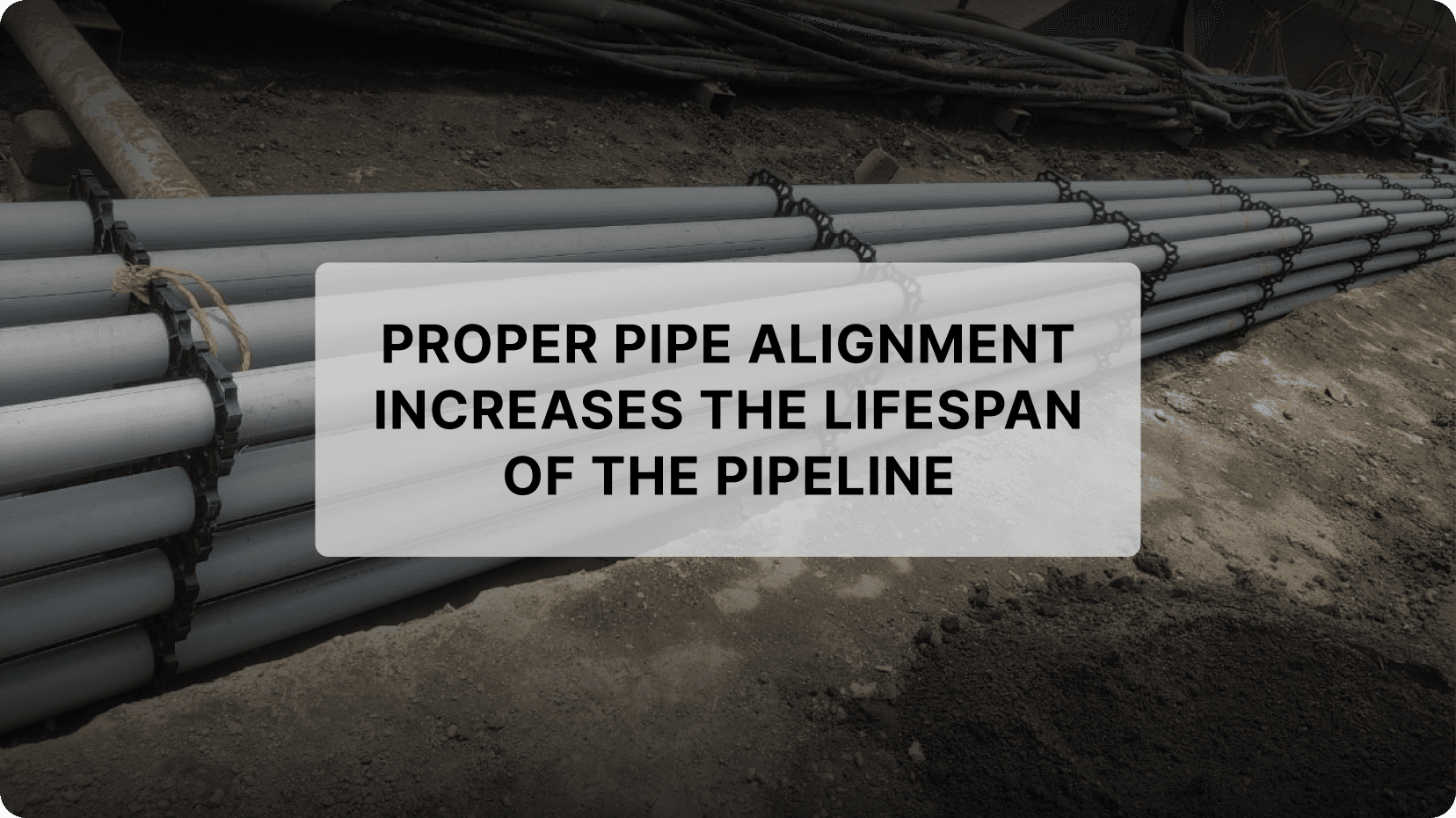
Proper pipe alignment is one of the most critical yet often overlooked factors in the performance, durability, and safety of piping systems across industries. Whether it’s a telecom duct line, a water supply network, an oil and gas pipeline, or a drainage system, pipe alignment plays a decisive role in how efficiently the system operates. Misaligned pipes may seem like a minor issue during installation, but over time, even small discrepancies can lead to major structural stress, leakage risks, premature wear, and costly maintenance.
Pipe alignment is not just about physical positioning; it also affects the internal fluid flow dynamics, pressure distribution, joint integrity, and the lifespan of the entire pipeline. When pipes are properly aligned using high-quality pipe spacers, insulators, and guiding components, the entire system gains long-term stability and performance.
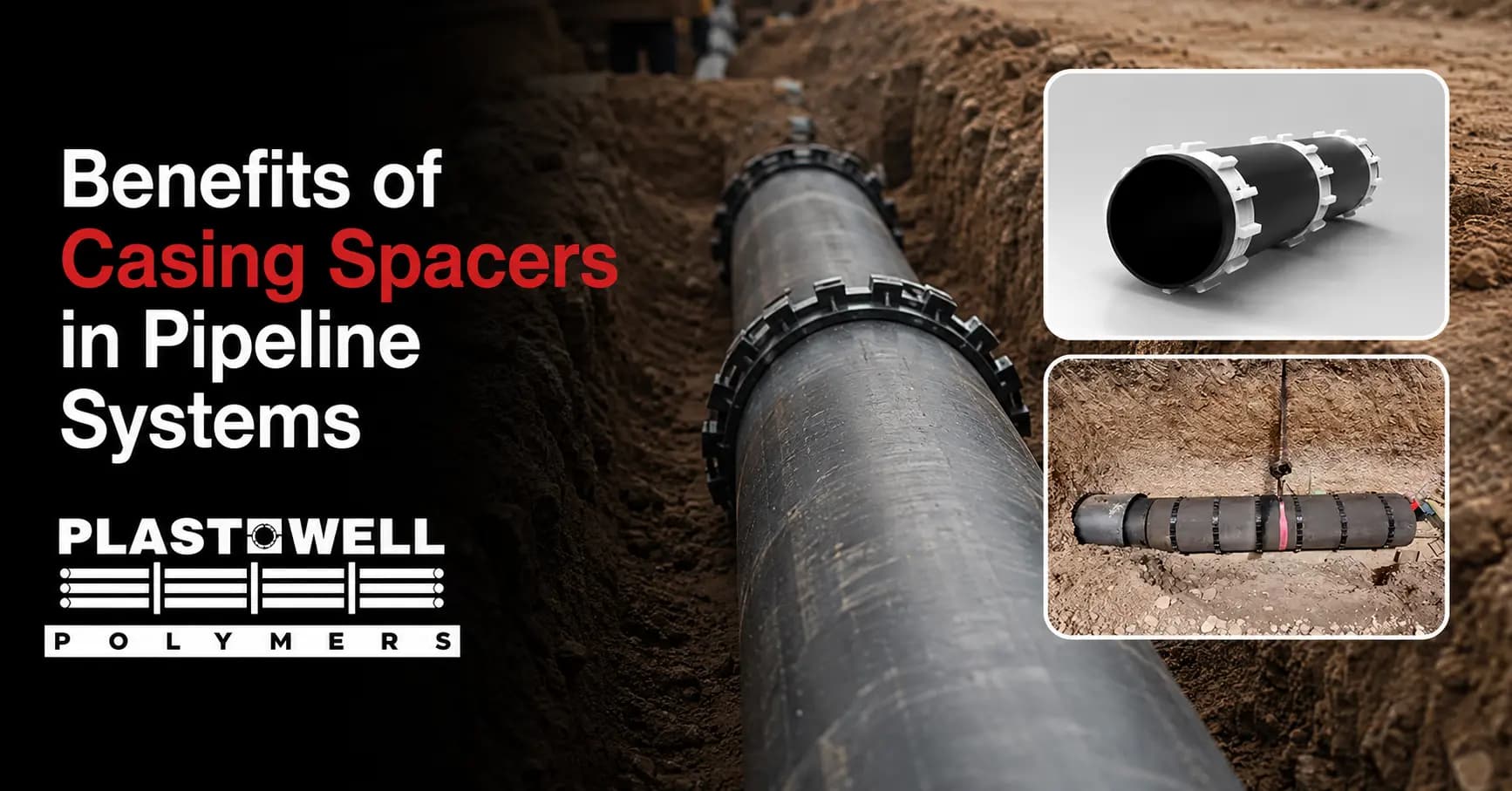
This blog explores in depth why pipe alignment matters, how misalignment affects systems, and the role of advanced solutions like HDPE pipe spacers and casing insulators in ensuring precision alignment.
What Is Pipe Alignment and Why Does It Matter?
Pipe alignment refers to the accurate placement of pipes in a straight and balanced orientation throughout the pipeline. When pipes are aligned properly, the load distribution, flow efficiency, and structural behavior of the system remain uniform.
Poor alignment creates unwanted pressure on joints, causes uneven forces during expansion and contraction, and triggers long-term mechanical failures. This is especially critical in industries where pipe systems carry sensitive, high-pressure, or heavy-load materials.
Proper alignment ensures:
- Smooth and uninterrupted fluid flow
- Reduced stress on joints and connectors
- Increased longevity of the pipeline
- Better safety for industries and workers
- Compliance with engineering standards and pipeline codes
Across multiple industries—telecom, electrical, chemical, construction, drainage, water distribution, and oil and gas—pipe alignment is considered an essential part of engineering design and installation.
Consequences of Poor Pipe Alignment
Misalignment is one of the leading causes of pipeline failures, damage, and frequent maintenance breakdowns. Understanding these risks helps highlight why pipe alignment must be prioritized.
1. Increased Structural Stress
When pipes are misaligned, the joints and connectors bear additional load. This causes:
- Cracking of joints
- Deformation of pipes
- Weakening of support structures
- Imbalance in pipeline weight distribution
Over time, these stresses accumulate, eventually causing pipeline failure.
2. Leakage and Seepage Risks
Even a slight shift in alignment can lead to:
- Improper sealing
- Gaps at joints
- Pressure imbalance
This results in leakage — a major concern for water, chemical, gas, and oil pipelines. For industries like telecom and electrical works, leaks in nearby pipelines can lead to corrosion and service interruption.
3. Reduced Flow Efficiency
When pipes are not properly aligned, the internal flow of water, gas, or chemicals becomes disrupted. Misalignment can create:
- Turbulence
- Back pressure
- Friction losses
- Reduced flow rate
This makes the system inefficient and increases operational costs.
4. Premature Wear and Tear
Misalignment accelerates wear on:
- Pipe walls
- Couplings
- Valves
- Connectors
- Gaskets
Components fail faster, requiring premature replacements and higher maintenance budgets.
5. Safety Hazards
Misaligned pipes carrying hazardous fluids, gases, or chemicals pose serious safety risks:
- Risk of explosion
- Environmental contamination
- Fire hazards
- Workplace accidents
In critical industries like oil and gas, proper alignment is non-negotiable.
Benefits of Proper Alignment in Piping Systems
With correct pipe alignment, industries can improve the efficiency, reliability, and lifespan of their piping networks. Here are some major benefits:
1. Improved Flow Efficiency
Aligned pipes ensure smooth flow by eliminating internal friction and turbulence. This results in:
- Optimal pressure levels
- Better fluid distribution
- Reduced energy consumption
The system runs efficiently without requiring extra pumping power.
2. Enhanced Structural Stability
Pipes that maintain uniform alignment:
- Experience less mechanical stress
- Maintain structural integrity
- Stay firmly in position
This leads to long-term performance stability.
3. Lower Maintenance Costs
Proper alignment reduces the chances of:
- Joint damage
- Pipe deformation
- Leakage incidents
This cuts overall repair and maintenance expenses significantly.
4. Longer Pipeline Lifespan
With reduced stress and wear, aligned pipelines last much longer. Industries can expect better ROI on their infrastructure investments.
5. Increased Safety and Compliance
Accurate alignment ensures pipelines adhere to engineering guidelines, reducing the risk of accidents and ensuring regulatory compliance.
Role of Pipe Spacers in Maintaining Alignment
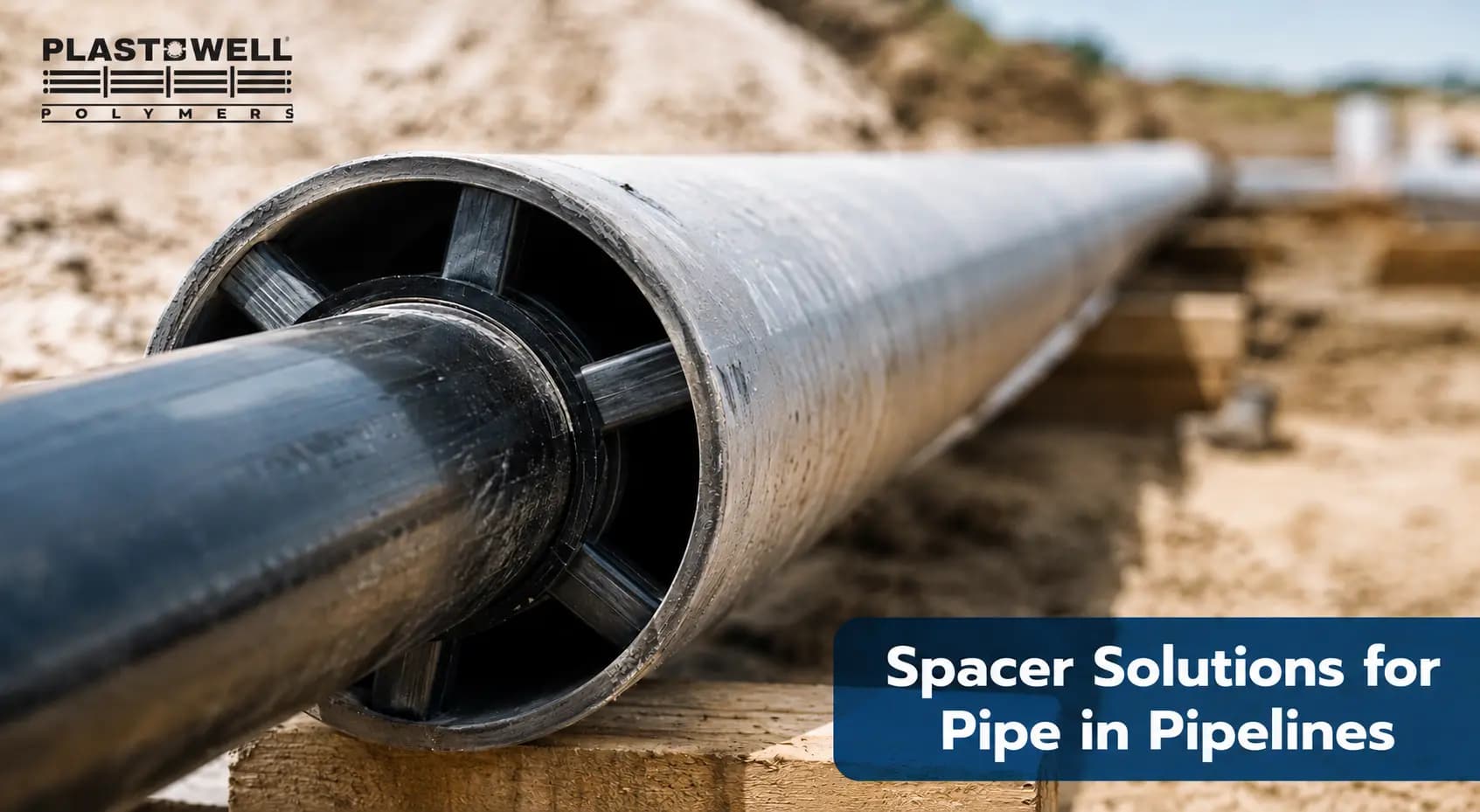
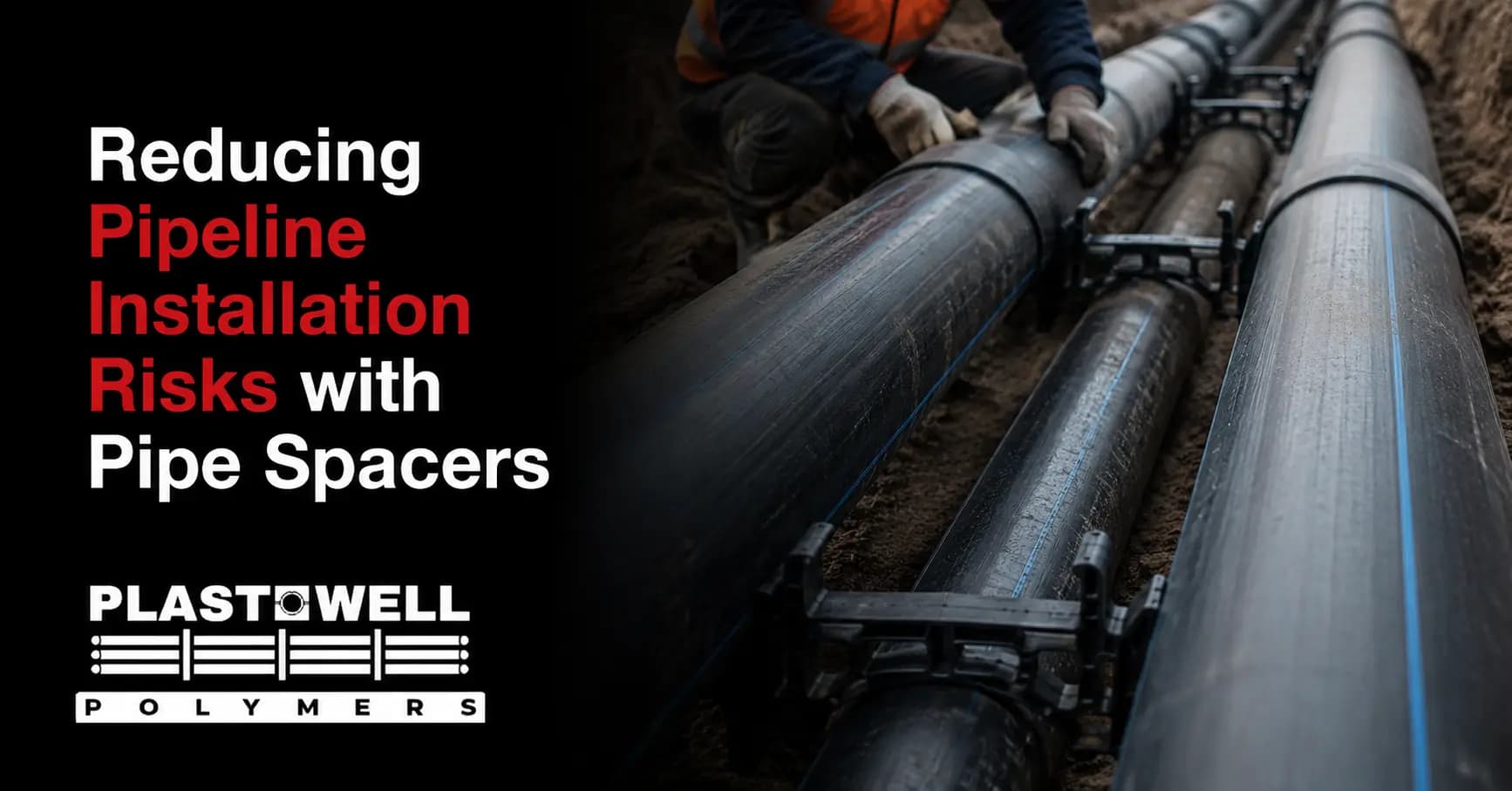
Pipe spacers are essential components used during pipeline installation to maintain the required position, spacing, and alignment of pipes. They ensure that the pipe remains centered and balanced throughout its path—especially inside casing pipes, ducts, or trenches.
How Pipe Spacers Improve Alignment
- They maintain uniform spacing between carrier pipes and casing pipes
- They prevent pipe sagging and shifting
- They absorb vibrations and mechanical shocks
- They reduce friction between pipe surfaces
- They ensure stable pipe placement during installation and operation
Pipe spacers eliminate the possibility of pipes touching walls or foreign surfaces, thus protecting them from damage.
Why HDPE Pipe Spacers Are the Industry Standard?
HDPE (High-Density Polyethylene) pipe spacers are widely preferred because of their durability, corrosion resistance, and load-bearing capacity. Compared to metal spacers, HDPE is lightweight, non-corrosive, and maintenance-free.
Benefits of Using HDPE Spacers
- High impact and load resistance
- Zero corrosion and rusting
- Long service life
- Easy installation
- Chemical resistance
- Smooth surface for minimal friction
Such spacers support alignment even in extreme environments.
Industries That Rely on Proper Pipe Alignment
1. Telecom & Fiber Optic Networks
Ensuring ducts and conduits are aligned prevents cable damage, improves performance, and supports smooth installations.
2. Oil & Gas Pipelines
Alignment is critical for high-pressure pipelines, preventing catastrophic failures.
3. Water Supply and Drainage Systems
Incorrect alignment leads to flow issues, leaks, and contamination risks.
4. Chemical Processing Plants
Pipes carrying chemicals must remain perfectly aligned to avoid reactions or hazardous leaks.
5. Construction & Infrastructure
Alignment ensures long-term stability of plumbing and utility structures.
How to Ensure Proper Pipe Alignment During Installation?
1. Use Quality Pipe Spacers
Always use tested and durable HDPE spacers to maintain alignment.
2. Follow Correct Installation Procedures
Pipeline installation teams should adhere to engineering diagrams, specifications, and alignment tools.
3. Inspect Before Backfilling
Ensure pipes are aligned before covering trenches.
4. Use Laser or Digital Alignment Tools
Modern tools help ensure precise alignment.
5. Regular Monitoring and Maintenance
Even properly installed pipes should be inspected periodically.
Why Plastowell Pipe Spacers Are Ideal for Alignment?
Plastowell’s pipe spacers are engineered to provide maximum alignment stability for various industries. Designed using high-quality polymer materials, these spacers ensure durability, consistency, and reliability in both underground and above-ground installations.
Key Features:
- Strong load-bearing capacity
- Corrosion and chemical resistance
- Lightweight yet highly durable
- Zero maintenance required
- Designed for telecom, water, drainage, and industrial pipelines
Plastowell’s spacers ensure perfect alignment, making pipelines safer, stronger, and longer-lasting.
Conclusion
Proper pipe alignment is crucial for ensuring the performance, longevity, and safety of any piping system. Misalignment may seem minor initially, but it can cause serious problems such as leaks, pressure imbalance, joint failures, and costly repairs. With the right products—especially high-quality HDPE pipe spacers—industries can ensure that their pipelines stay structurally strong, efficient, and maintenance-free.
Choosing the right pipe spacer is not just a technical decision; it’s an investment in the long-term reliability of your infrastructure. Plastowell’s advanced pipe spacer solutions deliver the precision alignment and durability that modern piping systems require.
FAQs
1. Why is pipe alignment important in pipeline installation?
Proper pipe alignment reduces stress on joints, prevents leakage, improves flow efficiency, and increases the lifespan of the pipeline.
2. What are the main causes of pipe misalignment?
Poor installation practices, ground shifting, improper support, and lack of quality spacers commonly cause misalignment.
3. How do pipe spacers help with alignment?
Pipe spacers ensure uniform spacing, prevent sagging, reduce friction, and keep pipes centered throughout their path.
4. What industries need precise pipe alignment?
Telecom, oil and gas, water supply, drainage systems, construction, and chemical processing industries rely heavily on accurate pipe alignment.
5. What materials are best for pipe spacers?
HDPE pipe spacers are preferred due to their corrosion resistance, durability, and load-bearing strength.